


Try the #1 software for $1/month.
Norem ipsum dolor sit amet, consectetur adipiscing elit. Etiam eu turpis molestie, dictum est a, mattis tellus. Sed dignissim, metus nec accumsan.

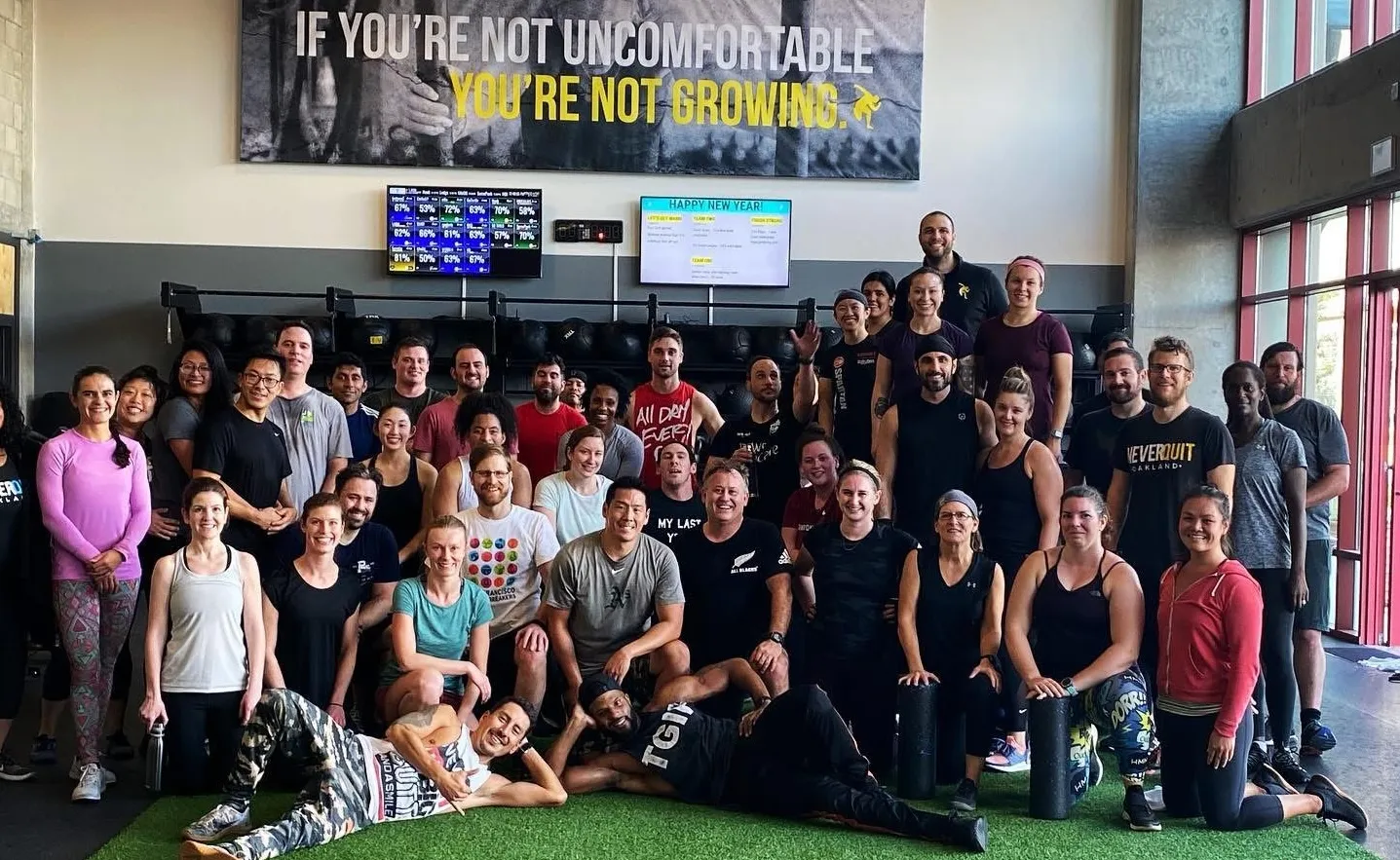
Urban Fitness Oakland
Noah Kinner, Owner

Urban Fitness Oakland owner Noah Kinner didn’t grow up in a gym. He grew up on a farm on the other side of the country—upstate New York. For Kinner, “strength training” meant hauling buckets of sap, chopping wood, and moving steel L-beams. When he eventually moved to California in 2006 and started coaching, his background shaped everything about his vision for how fitness should look.
Just a year after moving to California, Kinner opened Urban Fitness Oakland in 2007. His philosophy was built around preparing members for life outside the gym. He knew the training might not appear trendy or glamorous, but he was confident that real-world strength would be the game-changer for his members.
In 2011, Kinner expanded into the space next door and shifted from personal training as a core offering to what he calls “team training.” Classes are offered five times per day, and attendance generally hovers around 16 to 18 people per class.
What makes Urban Fitness unique in its market—even after 18 years—is that the gym has always been clear about the vision. There are no leaderboards. No one cares what someone lifted last week. The long-term members train alongside the ones who just started.
Most importantly, the Urban Fitness Oakland culture runs on a shared understanding that everyone is here for the long haul, so train like it. However, Kinner explained that he preaches the importance of longevity in training, and tells members that their bodies are like a car that they’ll be driving for the rest of their lives.
“Have fun, but don’t ride it until the wheels come off.”
When asked about the biggest win after almost two decades of running Urban Fitness Oakland, Kinner said COVID was confirmation of just how important his prior decisions were.
Within 24 hours of the shutdown notice in 2020, Kinner loaned out all of his equipment and moved his entire business online. He remembers setting up a streaming kit inside the gym, with one coach running the class and another doing the workout. They kept their exact same daily schedule, with classes running live on YouTube. In his words, the community didn’t skip a beat, not a single employee was laid off, and not one rent payment was missed.
The result: a 99% member retention rate through the entire shutdown.
The critical takeaway though, is that the retention rate didn’t happen because of the actions they took during COVID. It happened because of what they’d been doing for years leading up to it.
Kinner had always required 12-month memberships. He explained that even though it can be a tough sell, it ultimately attracts members who are committed. Plus, it builds a financial foundation that month-to-month memberships can’t. When the world shut down, Kinner had built a community of loyal people who were invested for the long run.
Before switching to Wodify, Kinner was with PushPress for about four years. He recalls signing up with PushPress after a pitch that sounded really sweet: he was promised one platform with everything integrated, and no more stitching together various tools through Zapier.
However, Kinner says that promise didn’t hold up in practice. The CRM wasn’t native, it was a white-label product that was supposed to talk to the core platform, and the seams showed constantly. A few examples he gave:
The switch back to Wodify came down to needing an all-in-one gym software in which the basics work well. Kinner said, “For 95% of gym owners out there, we don’t want a big, unwieldy thing. Wodify is right-sized. It has the functionalities you need. And I believe in the team that’s building it.”
If you’re not a Wodify customer yet, book a demo with our team today!
To learn more about Urban Fitness Oakland, visit the website here.
Norem ipsum dolor sit amet, consectetur adipiscing elit. Etiam eu turpis molestie, dictum est a, mattis tellus.
Already know which provider you want to select?
Click “Sign up Now” to lock in your choice and pick your start date. It’s quick and easy!
Looking for a bit more information or guidance? Click “Talk to Us” to arrange a call with us. We’ll help you find the perfect program tailored to your needs.
Norem ipsum dolor sit amet, consectetur adipiscing elit. Etiam eu turpis molestie, dictum est a, mattis tellus.
Norem ipsum dolor sit amet, consectetur adipiscing elit. Etiam eu turpis molestie, dictum est a, mattis tellus. Sed dignissim, metus nec accumsan.
Norem ipsum dolor sit amet, consectetur adipiscing elit. Etiam eu turpis molestie, dictum est a, mattis tellus. Sed dignissim, metus nec accumsan.
We’ll let you try Wodify for yourself and get a feel for what it can do for your business. A Wodify rep — a real person — will walk you through every feature.




"Wodify transformed how we run the gym. I now have more time to focus on growing my business and helping members thrive."Dana Bradley, Owner of Westside Fitness
Click “Talk to Us” to arrange a call so we can discuss the flexible access options that best fit your facility.
Click “Book a Demo” to learn more about how Wodify can help your business grow.
Your branded app is one conversation away. Click “Talk to Us” and our team will walk you through everything you need to get started.
Click “Book a Demo” to learn more about how Wodify can help your business grow.