


Try the #1 software for $1/month.
Norem ipsum dolor sit amet, consectetur adipiscing elit. Etiam eu turpis molestie, dictum est a, mattis tellus. Sed dignissim, metus nec accumsan.

Business Management
Running a successful fitness business takes more than great coaching and a packed class schedule. Behind every strong gym, studio, or training business is an owner managing a long list of moving parts: leads, memberships, billing, scheduling, staff, marketing, client communication, reporting, and everything else that somehow lands on the to-do list.
The best-run gyms have something in common. They use the right tools to take repetitive work off their plates and keep the business moving.
Billing and class scheduling are only the beginning. The right fitness business tools can help you follow up with leads faster, collect payments reliably, understand business performance, improve the client experience, and spend less time bouncing between systems.
The catch? More software does not always mean a better operation.
Many fitness businesses gradually build a tech stack one tool at a time. A payment processor here. A scheduling app there. Then a CRM, an email platform, a client management tool, and another dashboard for reporting. Each tool may solve a problem, but the full stack can eventually create a new one: too many systems to manage.
This guide breaks down some of the most useful fitness business tools available in 2026, what each category does, and where an all-in-one gym management software platform may help simplify the stack.
Total gym software costs depend on the size of the business, number of employees, transaction volume, and tools selected, but when you break it all down, the expenses add up.
| Function | Typical cost |
| Gym management | $75 to $150+ per month |
| Payment processing | 2% to 3% per transaction plus possible monthly fees |
| CRM | Free to $100+ per user per month |
| Email marketing | $10 to $300+ per month based on contacts and features |
| Website | $15 to $100+ per month for hosting and platform fees |
| Waivers | $20 to $50+ per month depending on usage |
| Accounting | $20 to $150+ per month depending on complexity |
| Team communication | Free to $12+ per user per month |
| Social media | Free to $100+ per month depending on tools and plans |
| Analytics | Free |
| Reputation management | $50 to $200+ per month, often higher for multiple locations |
The subscription price is only part of the equation. Gym owners should also look at payment processing fees, onboarding costs, add-ons, branded app fees, SMS charges, number of staff accounts, contract requirements, and the cost of connecting third-party tools.
Then there is the cost that never appears on an invoice: your team’s time.
Every disconnected system creates another login, another database, another integration, and another place where information can fall through the cracks.
You do not need to overhaul your entire business overnight. Start by looking at the tools you already use. Then ask a simple question: Where is your team still wasting time, losing information, or doing manual work that software could handle?
For one gym, the answer may be missed lead follow-ups. For another, it may be failed payments or messy class scheduling. A growing multi-location business may need stronger reporting and staff management.
The goal is to build a technology stack that pulls its weight.
Gym management software is the operational foundation for many fitness businesses. It can bring membership management, client management, class scheduling, billing, online booking, staff operations, and reporting into one central system.
For gym owners, fitness studios, and personal trainers, this category deserves extra attention because it often determines how many additional tools the business needs.
A comprehensive platform may reduce the need for separate scheduling, waiver, payment, reporting, communication, and client tracking systems. A more basic platform may handle core features well but require third-party tools for marketing automation, workout tracking, or advanced reporting.
When evaluating gym management software, look beyond the feature list. Consider how the platform fits the way your business actually runs.
Key areas to evaluate include:
The best fit depends on your business model, whether you operate one location or multiple locations, and how much of your technology stack you want one platform to manage.
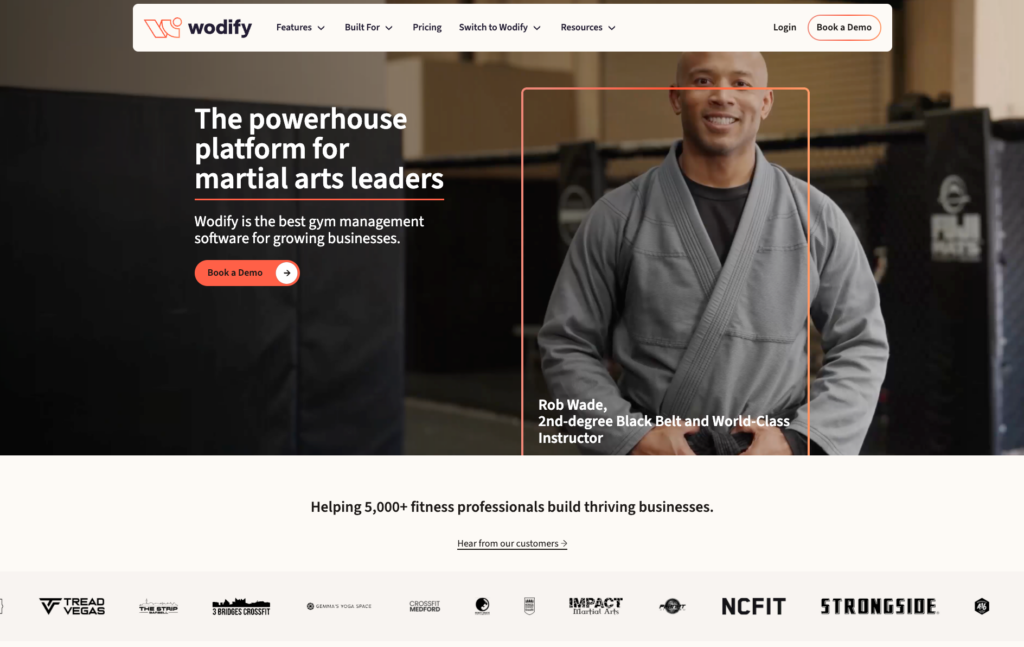
Wodify is an all-in-one gym management software platform built specifically for fitness and wellness businesses.
The platform brings together scheduling, client management, billing, payments, digital waivers, reporting, and other day-to-day business operations. Depending on the plan and configuration, fitness businesses can also use Wodify for lead management, marketing automation, workout programming, performance tracking, retail, and other workflows.
This is where the platform can make a meaningful difference for a busy gym owner. Instead of stitching together a long list of third-party tools, you can run more of the business through one connected system.
Wodify also has deep roots in functional fitness. Its workout programming and performance tracking tools give CrossFit and functional fitness businesses a way to manage programming while allowing athletes to log results, track progress, and engage with leaderboards.
At the same time, the platform supports a broader range of fitness businesses, including boutique fitness studios, martial arts academies, personal training businesses, and other fitness and wellness operators.
Key features
Pricing: Wodify has full-featured gym software starting at $99 per month. Additional features and plans are available in its Accelerate and Ultimate plans.
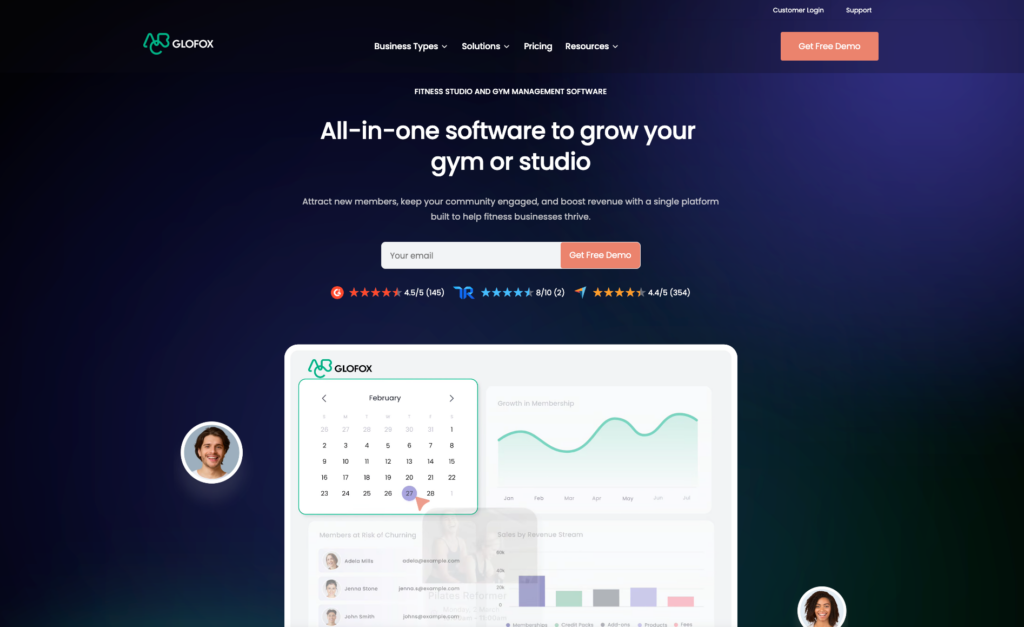
ABC Glofox is a fitness management platform designed for gyms and boutique fitness studios.
Its core tools cover booking and scheduling, member management, payment processing, payroll, reporting, and mobile app access. A custom-branded mobile app and other capabilities are available as optional additions or through different configurations.
Glofox may appeal to fitness businesses that prioritize mobile booking and a branded digital experience.
Because pricing is not publicly listed as a simple starting monthly rate on its current pricing pages, businesses should request a quote based on their requirements.
Key features
Pricing: Glofox has plans starting at $99 monthly plus additional usage fees.
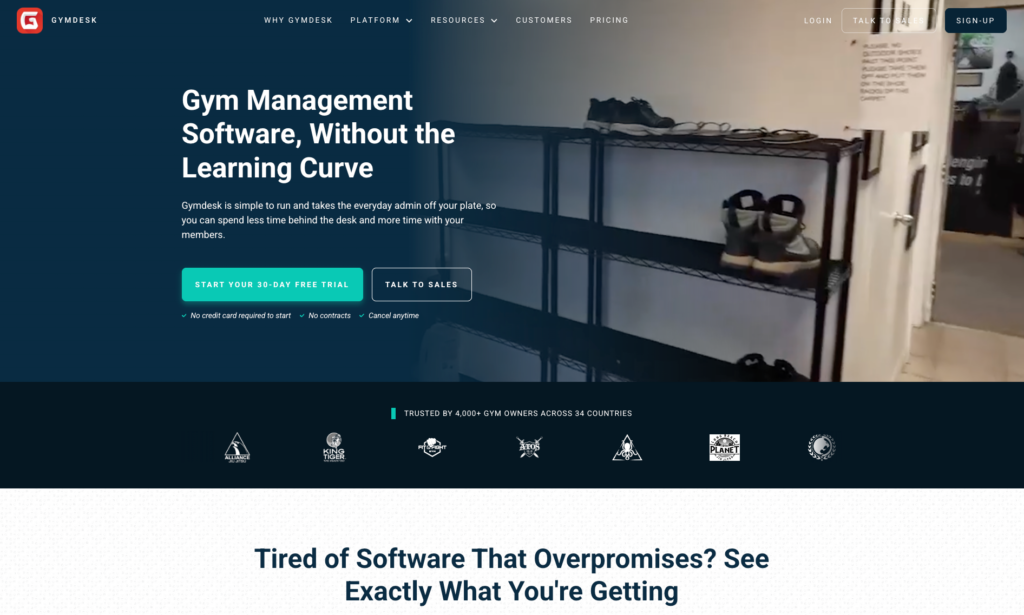
Gymdesk is designed for gyms and membership-based fitness businesses that want straightforward management software without a complicated feature-tier structure.
The platform covers membership management, billing, attendance, scheduling, online booking, and other core operational tasks.
Its pricing scales based on active member count, which can make costs relatively easy to understand as a business grows.
Key features
Pricing: Plans start at $75 per month and increase based on active member count.
Payment processing is one of the least glamorous parts of running a gym until something goes wrong.
Recurring membership payments, drop-ins, personal training sessions, retail sales, and other transactions all depend on reliable payment systems. Failed payments and billing friction can quickly create extra administrative work and affect cash flow.
Gyms generally have two options. You can use a standalone financial management tool and connect it to your other systems, or use integrated payments built into your gym management software.
The right approach depends on your business. Before choosing a payment processor, consider credit card processing fees, ACH availability, recurring billing support, chargeback management, in-person payments, and how cleanly payment data connects with membership records.
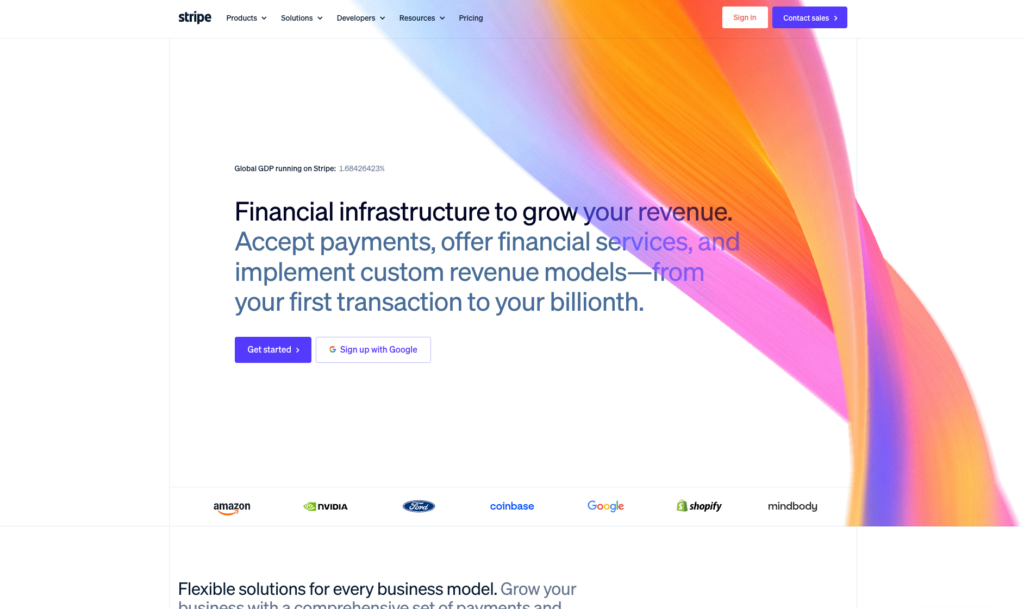
Stripe is a widely used payment platform that supports online payments, recurring billing, subscriptions, and a broad range of payment methods.
It can be useful for fitness businesses with custom websites, online services, or technology stacks that need flexible payment integrations.
Key features
Pricing: Stripe’s standard U.S. pricing is currently 2.9% plus $0.30 per transaction.

Square combines payment processing with point-of-sale tools, making it a practical option for fitness businesses that collect in-person payments or sell retail products at the front desk.
Gyms can use Square for checkout while also accessing invoicing, hardware, and other business tools depending on the setup.
Key features
Pricing: Square charges 2.6% to 3.3% plus $0.15 to $0.30 per transaction.
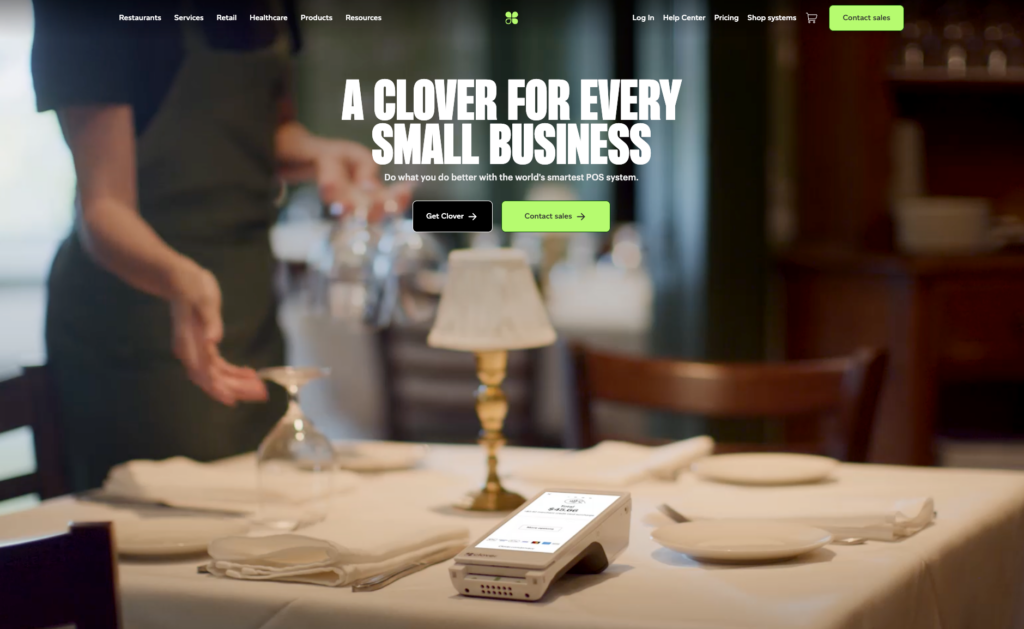
Clover combines payment processing with point-of-sale hardware and software.
It can be useful for fitness businesses with a larger front-desk retail operation or businesses that want dedicated POS hardware for in-person payments.
The total cost depends on the hardware, software package, merchant agreement, and processing structure.
Key features
Pricing: Varies by hardware, software, and payment processing arrangement.
A customer relationship management system, or CRM, helps fitness businesses organize leads, track conversations, manage sales opportunities, and follow potential clients through the buying process.
For fitness businesses generating leads from paid ads, organic search, social media, referrals, or website forms, CRM software can prevent promising prospects from disappearing into an inbox.
The biggest advantage often comes from automation.
Instead of manually remembering to contact every person who asks about a membership, marketing automation can trigger follow-up messages, reminders, and other workflows based on a lead’s activity.
Before adding a standalone CRM, check what your gym management software already provides. Keeping lead and membership data in the same platform may eliminate duplicate records and make the handoff from new lead to paying client much more efficient.
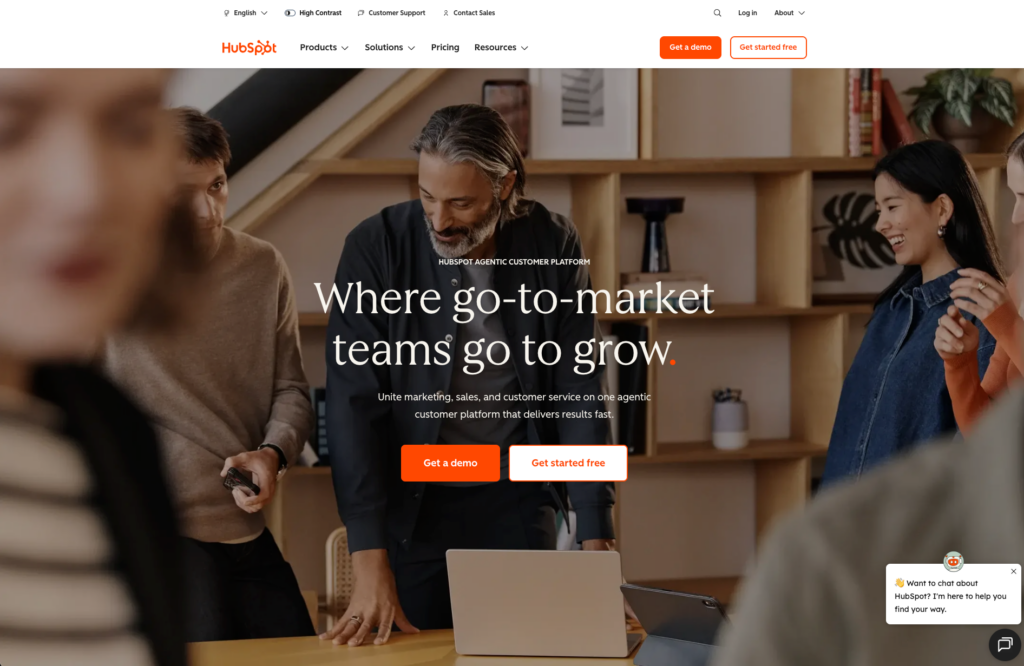
HubSpot offers CRM, marketing, sales, service, and automation products that can be configured around different business needs. Over the years, it’s evolved from a simple CRM into a suite of multiple tools.
Its free CRM tools can provide a starting point for smaller fitness businesses that primarily need contact and lead management. More advanced automation and marketing features require paid products.
Key features
Pricing: HubSpot has a free plan for up to 2 users and paid plans from $7 per user monthly, billed annually.
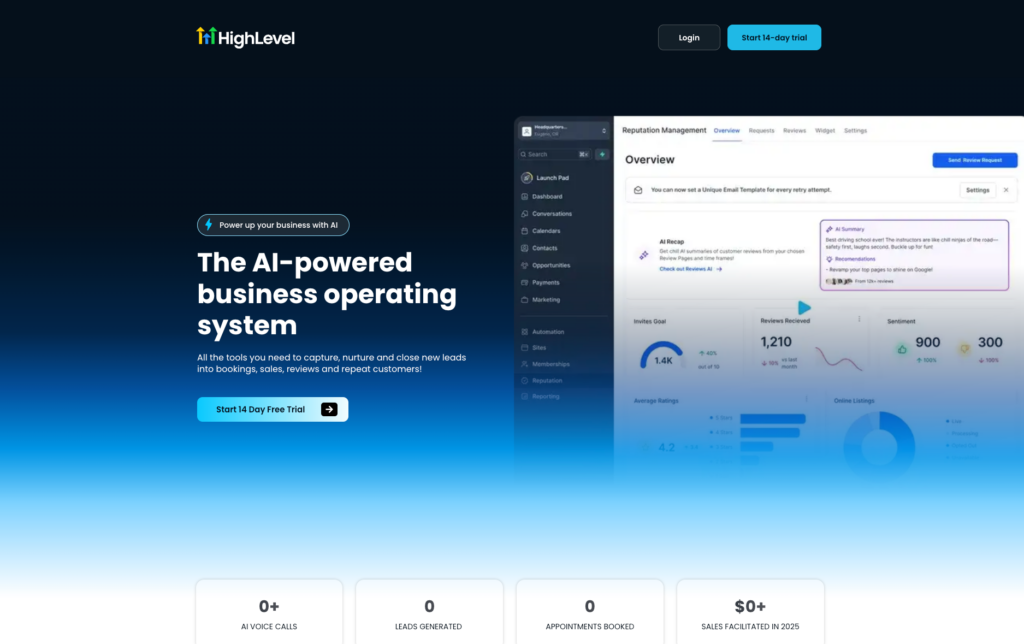
HighLevel is an agency-focused sales and marketing platform that is also used by service businesses for lead generation and follow-up.
Its combination of CRM, email, SMS, funnels, and workflow automation can be useful for fitness businesses running more sophisticated marketing campaigns.
The tradeoff is complexity. A gym that only needs simple lead tracking may not need all the features HighLevel provides.
Key features
Pricing: GoHighLevel has paid plans from $97 per user monthly.
Salesforce is a highly configurable CRM platform generally suited to organizations with more complex sales processes.
For an independent gym, that level of customization may be unnecessary. A large fitness brand, franchise, or multi-location operator with dedicated sales teams may have more reason to consider it.
Key features
Pricing: Salesforce has a free plan for 2 users and paid plans from $25 per user monthly.
The person who tried a class six months ago may still become a member.
The client who has not visited in three weeks may need a nudge.
The member who just hit a milestone may deserve some recognition.
Email and SMS marketing tools help fitness businesses stay connected without requiring staff to send every message manually.
Useful applications include lead nurture, membership promotions, class announcements, automated reminders, win-back campaigns, and retention messaging.
Before paying for another marketing platform, look closely at your existing software. Some gym management platforms include built-in marketing or marketing automation tools that can trigger messages based on actual client behavior.
That connection matters.
A standalone email platform may know that someone opened an email. A connected fitness platform may know that the same person stopped attending classes.

Mailchimp is a popular email marketing platform for businesses that need newsletters, campaigns, audience segmentation, and basic automation.
It can work well for fitness businesses focused primarily on email marketing rather than complex client lifecycle automation.
Key features
Pricing: Mailchimp has a limited free plan (500 contacts) and paid plans starting at $13 per month.
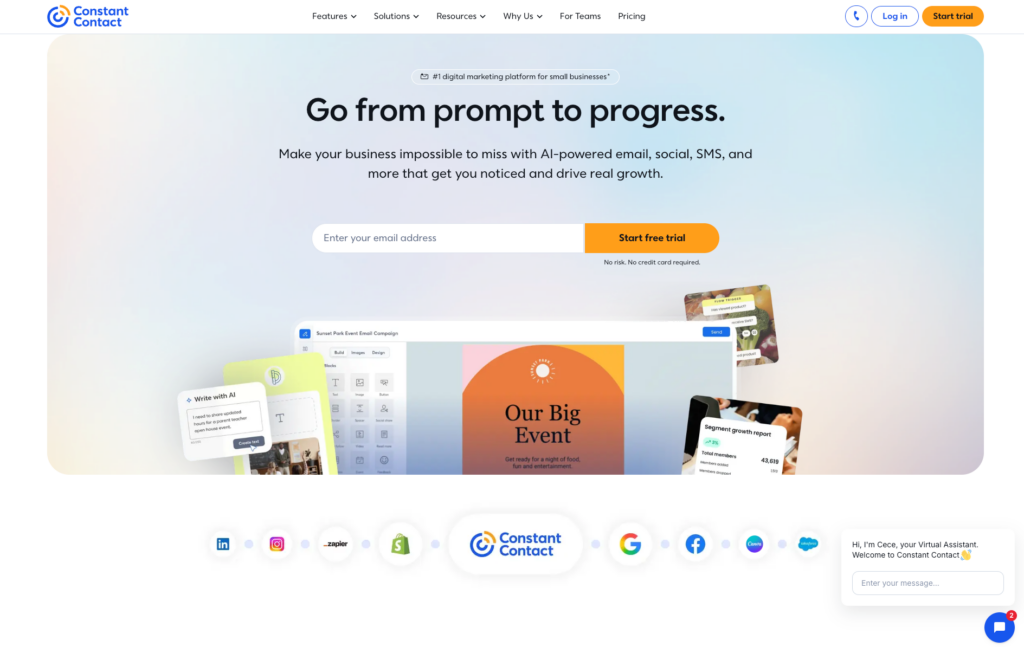
Constant Contact provides email marketing tools geared toward small businesses.
Its relatively straightforward interface can make it useful for businesses that want to create newsletters, promotions, and routine client communications without a complex setup.
Key features
Pricing: Constant Contact plans start at $10.20 per month, billed annually.
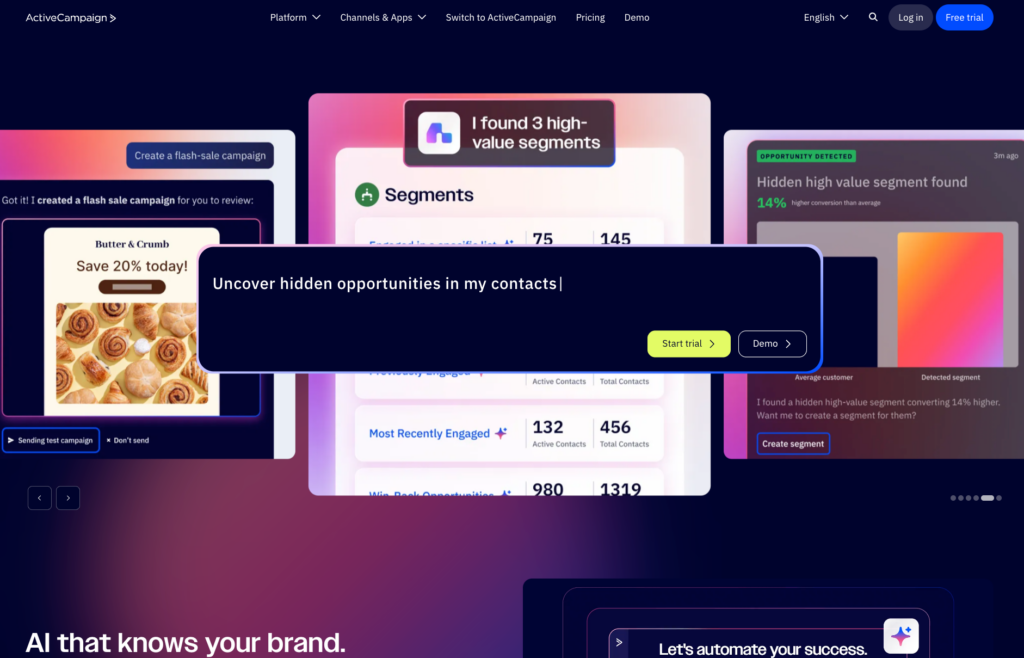
ActiveCampaign places greater emphasis on automation and customer journeys.
It may fit fitness businesses that want more detailed segmentation and automated marketing sequences based on client or lead activity.
Key features
Pricing: ActiveCampaign’s plans start at $15 per month, billed annually.
Your gym’s website is a critical touchpoint to turn attention into action.
That may mean booking an intro session, joining a free trial, viewing the class schedule, requesting information, or purchasing a membership.
A strong fitness website should also load quickly, work well on mobile devices, explain what makes the business different, and make the next step obvious.
Connecting your website with your management software can reduce friction even further. Leads, bookings, and membership sales can move directly into the systems your team already uses instead of creating another manual task.
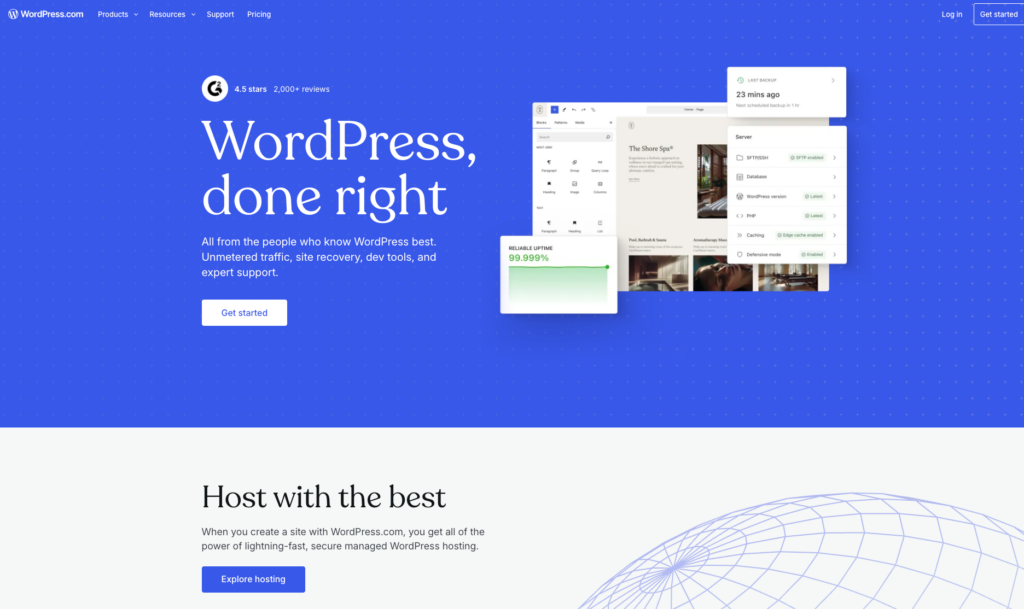
WordPress offers substantial flexibility for fitness businesses that need control over design, SEO, content, and integrations.
It can be especially useful for businesses investing heavily in organic search or content marketing.
The tradeoff is maintenance. Hosting, security, plugins, performance, and design may require more technical support than a managed website builder. You either need to know code or hire someone to manage WordPress — and no fitness professional likes to mess with that all day.
Key features
Pricing: WordPress.com has paid plans starting at $4 per month, billed annually.
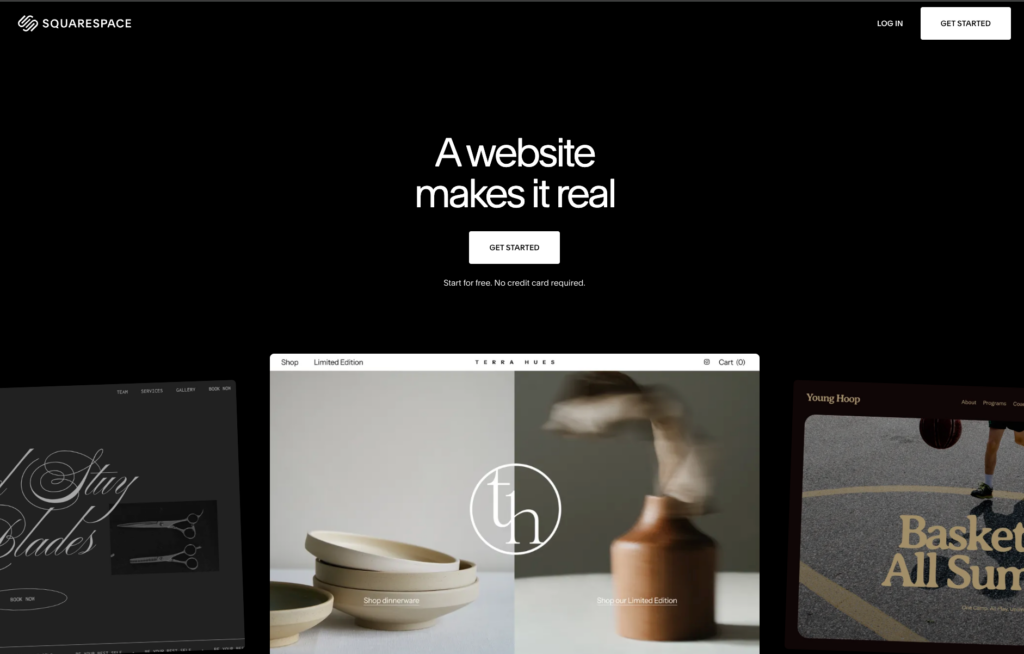
Squarespace provides a managed website builder for businesses that want a polished site without managing a traditional WordPress stack.
It can work for personal trainers and smaller fitness studios that need a straightforward marketing website with forms, commerce, and scheduling integrations.
Key features
Pricing: Squarespace has paid plans that start at $19 per month.
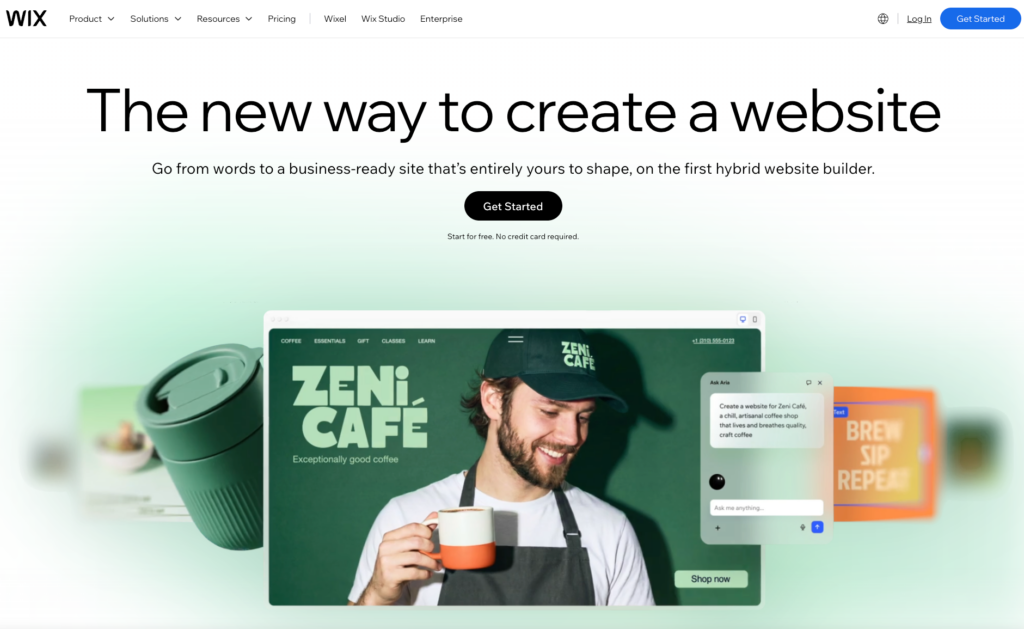
Wix provides a drag-and-drop website builder with business, marketing, and booking tools.
It can be a practical option for local fitness businesses that want to launch and manage a website without relying heavily on developers.
Key features
Pricing: Wix has paid plans that start at $17 per month.
Waivers are not the part of the client experience anyone gets excited about.
They still need to get signed.
Digital waiver and form tools help fitness businesses collect liability waivers, intake information, health questionnaires, contracts, and other documents without relying on paper.
For a busy front desk, removing paperwork can speed up onboarding. It also gives staff a more organized way to find client records later.
Once again, check your gym management software before buying another tool. Wodify, for example, includes digital waivers and contracts within its current Essentials feature set.
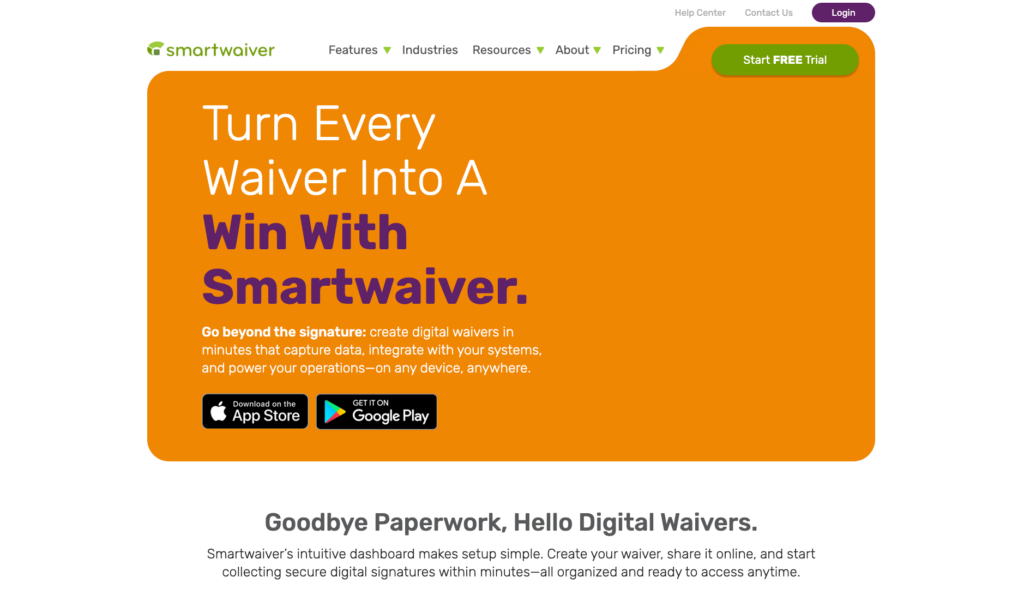
Smartwaiver focuses specifically on digital waivers and electronic document collection.
It can work for gyms and other activity-based businesses that need a dedicated system for collecting and storing signed waivers.
Key features
Pricing: Smartwaiver has plans that start at $19 per month.
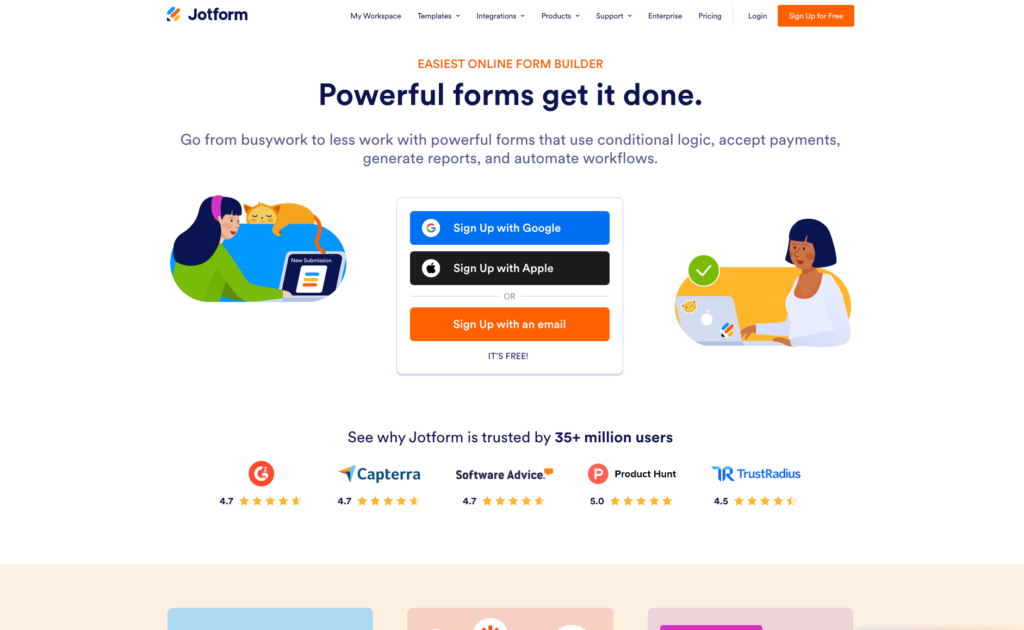
Jotform is a broader online form platform that supports intake forms, lead forms, e-signatures, questionnaires, and workflow automation.
That flexibility can make it useful when a fitness business needs more than waiver collection alone.
Key features
Pricing: Jotform has free and paid plans that start at $34 per month billed annually.
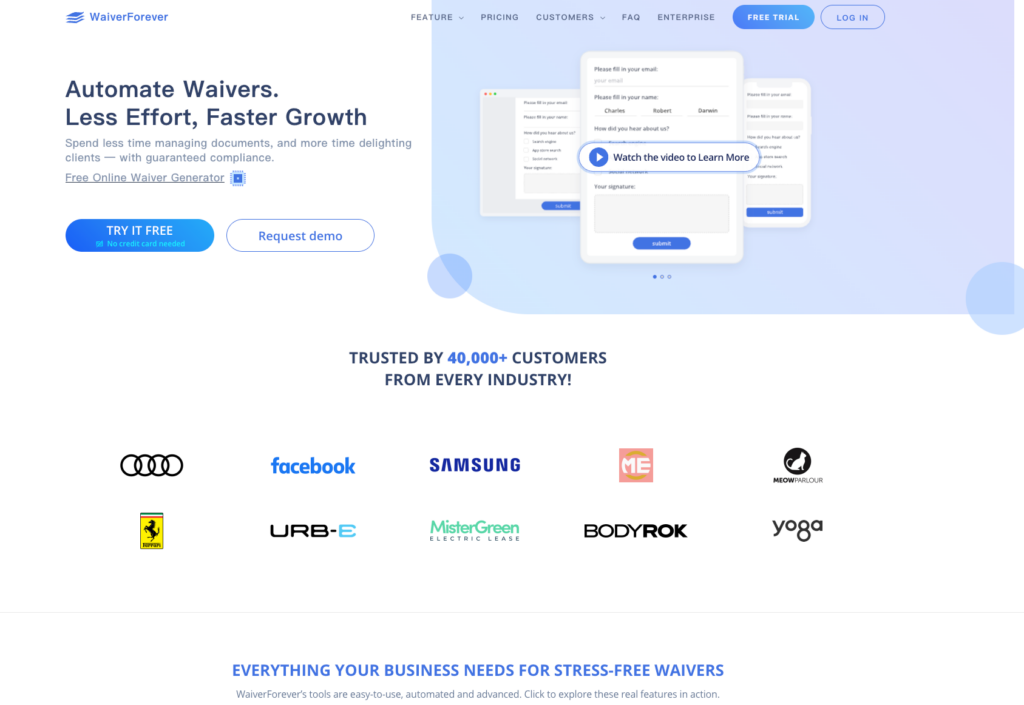
WaiverForever is another dedicated platform for collecting and managing digital waivers.
It supports businesses that want clients to complete waivers digitally before or during their visit.
Key features
Pricing: WaiverForever has plans that start at $19 per month.
You can run a packed class and still run an unprofitable business.
Accounting software helps fitness business owners understand what is actually happening with revenue, expenses, payroll, taxes, and cash flow.
Clean financial records also make it easier to evaluate business performance. You can see whether membership growth is translating into stronger margins, whether expenses are increasing too quickly, and where the business has room to invest.
For many gym owners, the best accounting system is not necessarily the one with the most advanced features. It is the one they and their accountant will consistently use.
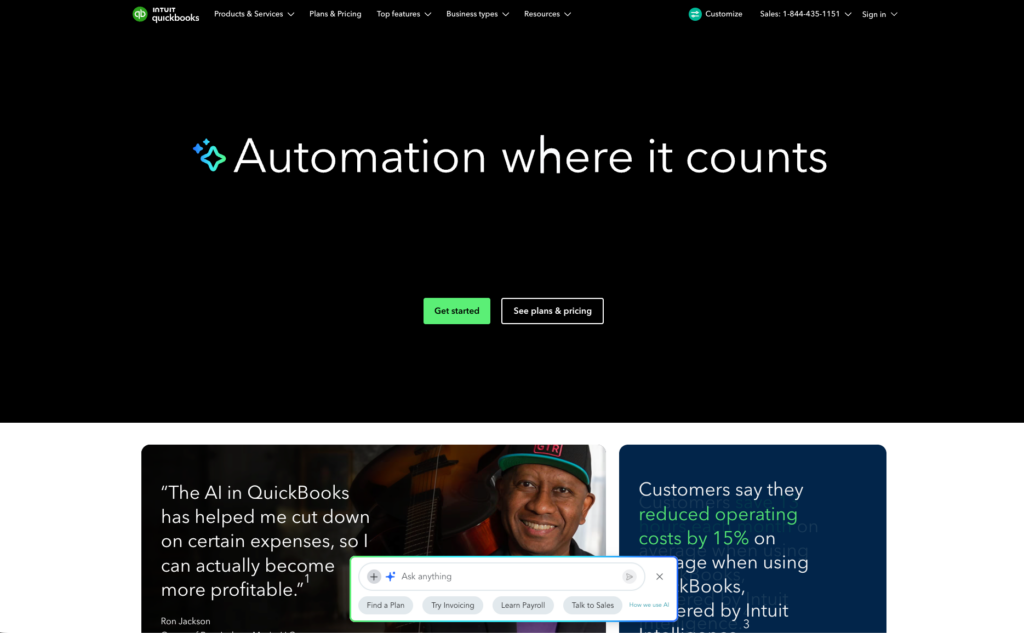
QuickBooks Online is a widely used accounting platform for small businesses.
It supports bookkeeping, expense management, invoicing, bank reconciliation, and financial reporting, with additional products and integrations available for payroll and other needs.
Key features
Pricing: QuickBooks Online has plans that start at $38 per month after introductory pricing.
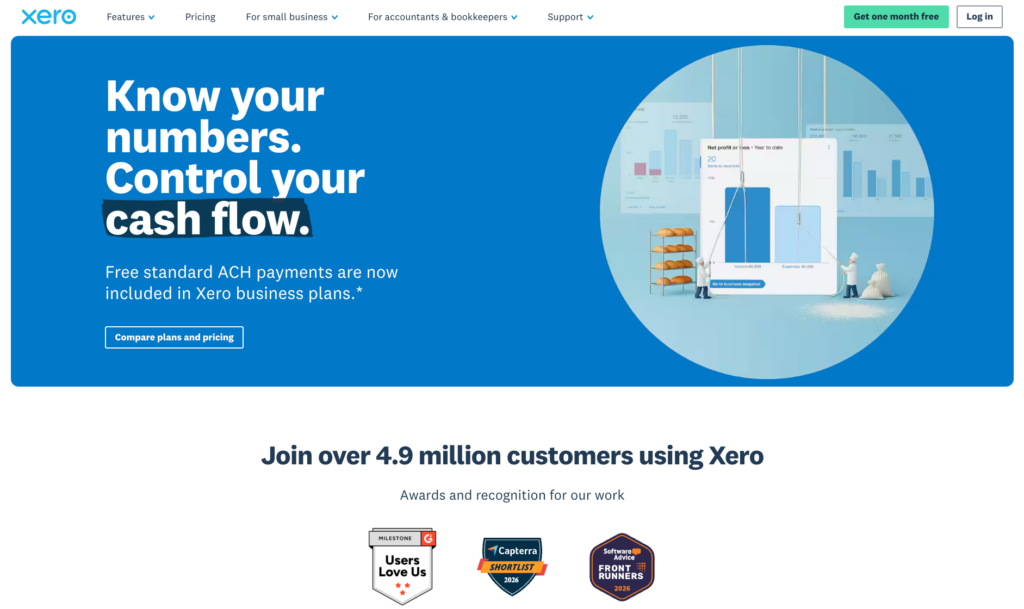
Xero provides cloud-based accounting tools for small and midsize businesses.
Its accounting and reporting capabilities can fit fitness businesses that want an alternative to QuickBooks or already work with an accountant who prefers the platform.
Key features
Pricing: Xero has plans that start at $25 per month after introductory pricing.
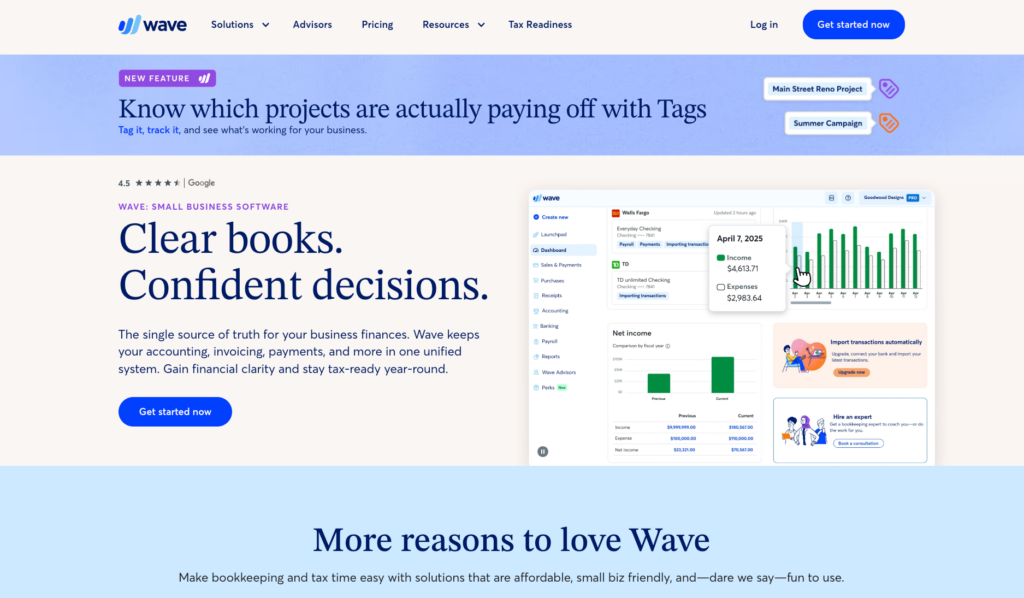
Wave provides accounting and invoicing tools aimed primarily at small businesses and independent operators.
It may be worth considering for a solo personal trainer or small fitness business with relatively simple bookkeeping needs.
Key features
Pricing: Wave has a free plan plus transaction fees, and its paid plan is $190 per year.
Once a gym grows beyond a few people, operational conversations can get messy quickly.
A coach texts one person about a schedule change. Someone posts a question in a group chat. Another update is buried in an email thread.
Team communication platforms give those conversations a central home.
They are particularly useful for multi-location businesses, larger coaching teams, and organizations that need searchable communication outside their core gym management platform.
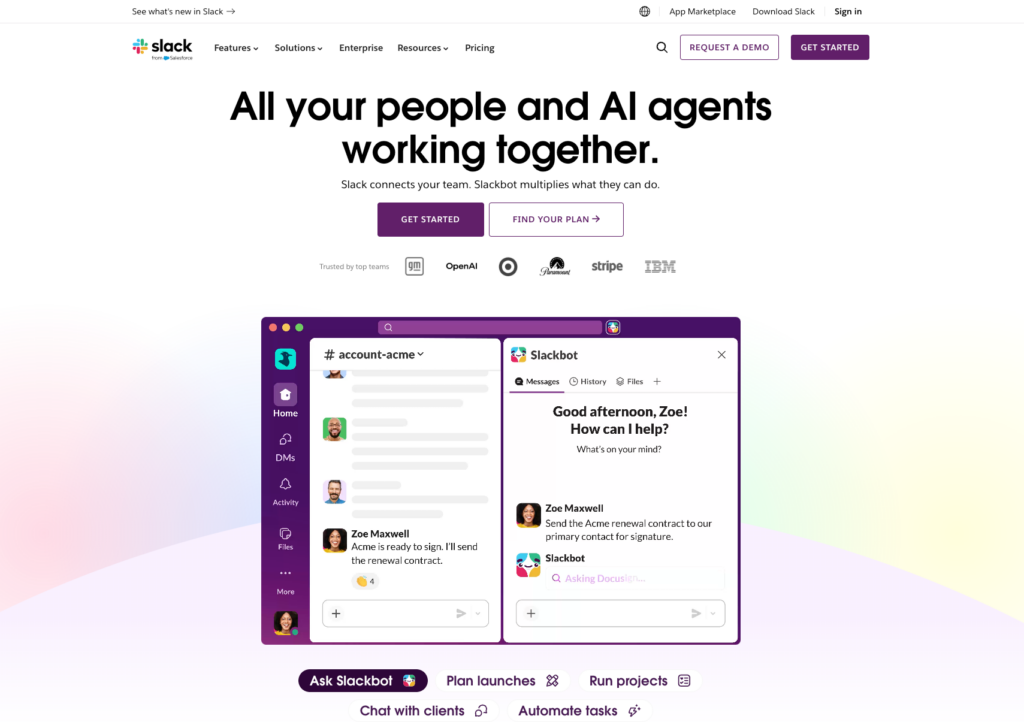
Slack organizes conversations into channels and direct messages.
A fitness business might create separate channels for coaching, sales, operations, facilities, or individual locations.
Key features
Pricing: Slack has a limited free plan and paid plans start at $8.75 per user monthly.
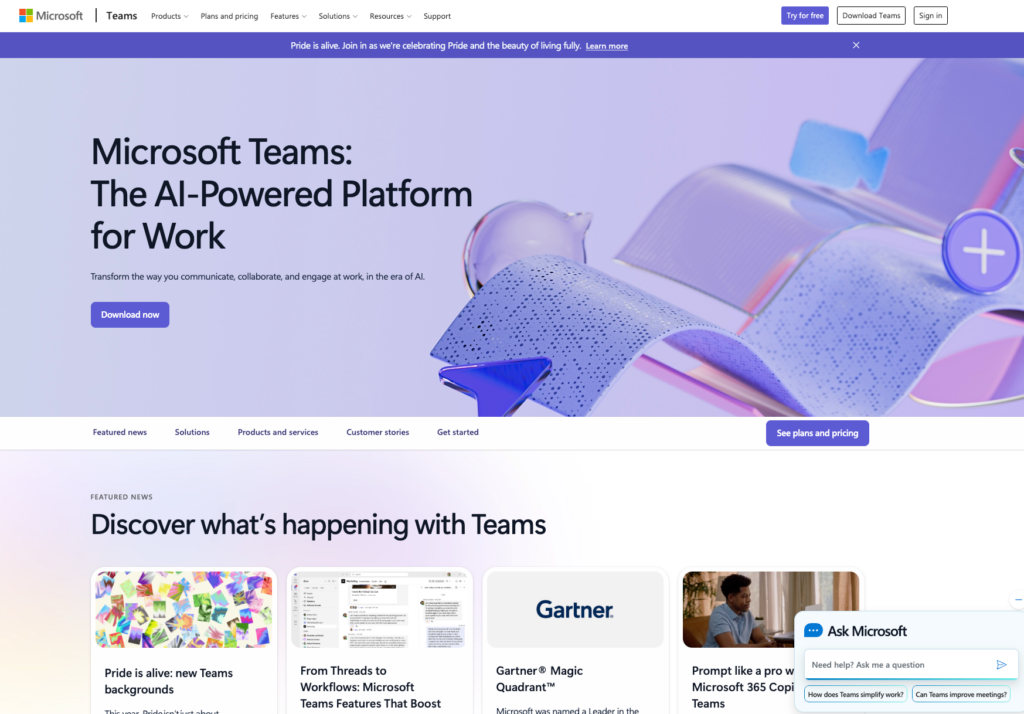
Microsoft Teams combines messaging, meetings, calling, and collaboration.
It may be the most logical choice for fitness businesses already using Microsoft 365.
Key features
Pricing: Microsoft Teams starts at $4 per user monthly, billed annually.
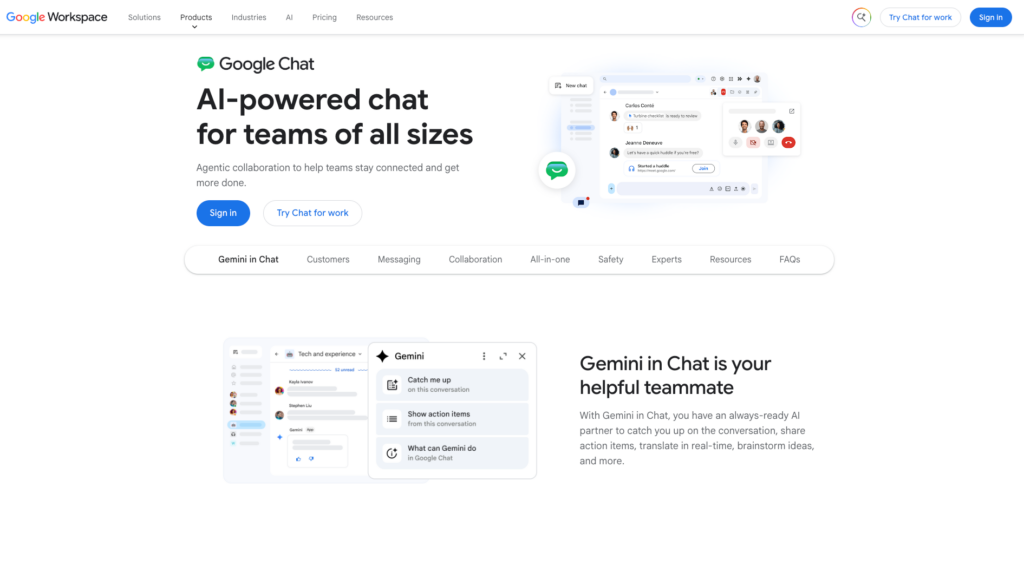
Google Chat provides messaging and group spaces within the Google Workspace ecosystem.
For teams already working in Gmail, Google Drive, and Google Calendar, it can provide basic internal communication without introducing another major platform.
Key features
Pricing: Google Chat is part of Google Workspace, starting at $7 per user monthly, billed annually.
Not every client interaction needs to happen on the gym floor.
Video tools can support consultations, nutrition coaching, remote personal training, staff meetings, and hybrid fitness services.
For fitness businesses offering online or individualized programming, the technology stack may need to go beyond video meetings. Workout delivery, progress tracking, messaging, and accountability become equally important.
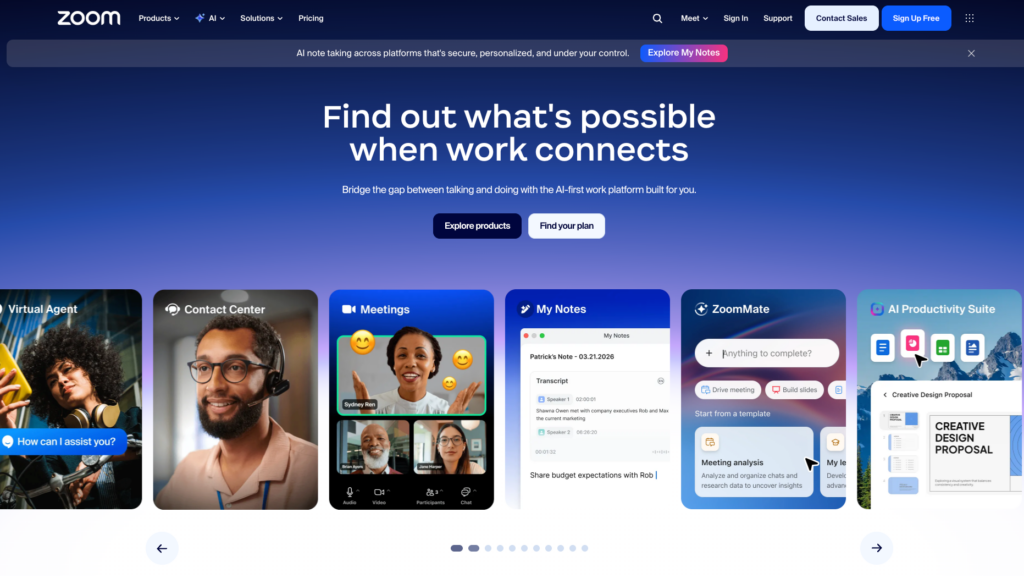
Zoom supports video meetings for one-on-one consultations, group sessions, staff meetings, and remote coaching.
Its widespread adoption can make it easier for clients to join without learning an unfamiliar platform.
Key features
Pricing: Zoom offers free meetings up to 40 minutes; otherwise, plans start at $14.16 per user, billed annually.
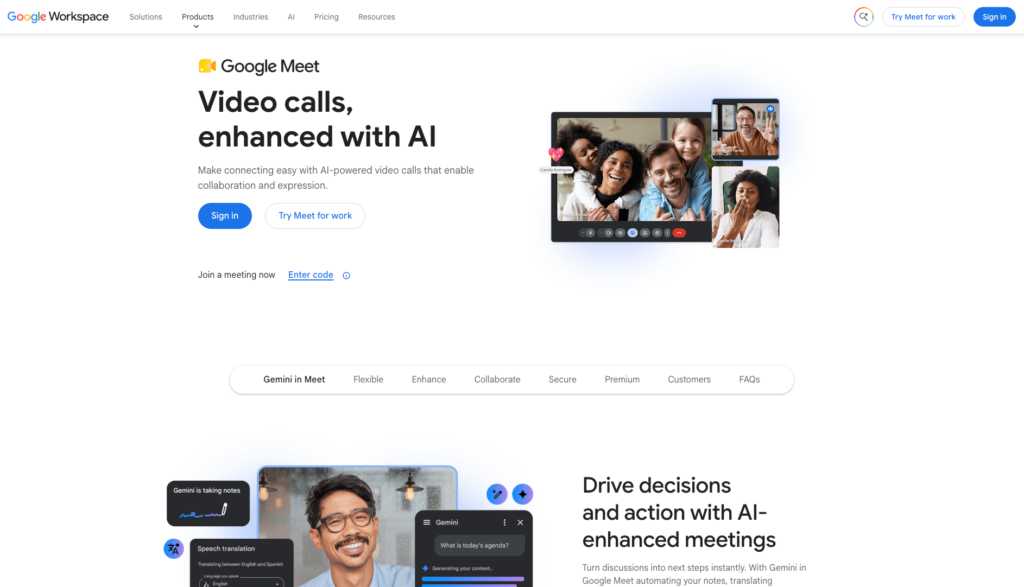
Google Meet provides browser-based video meetings and integrates with Google Calendar and Google Workspace.
It can be a simple choice for businesses already using Google’s productivity tools.
Key features
Pricing: Google Meet is free with Google Accounts, but Workspace accounts have more features.
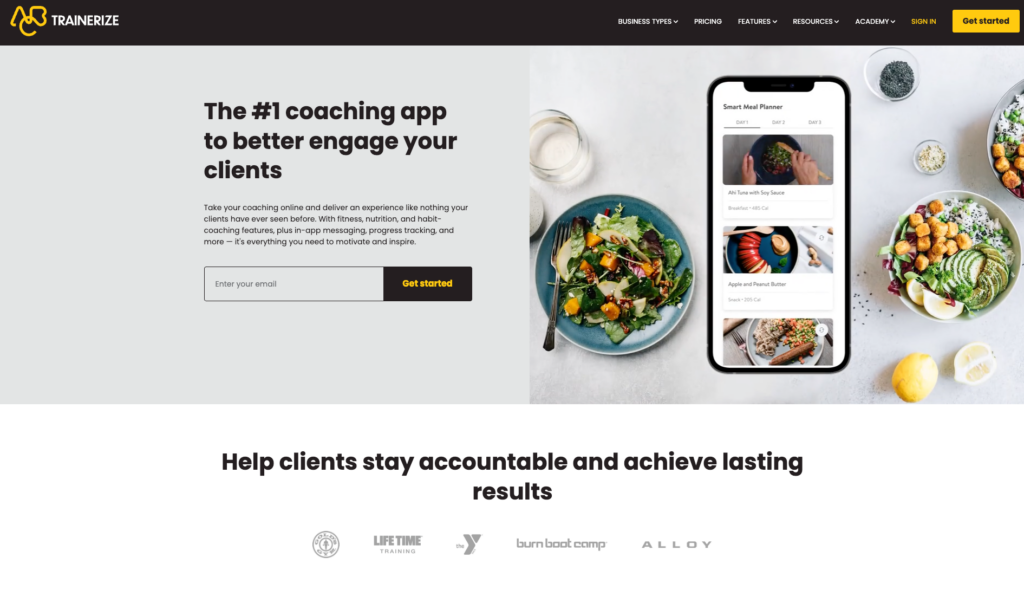
Trainerize is built specifically around online and hybrid personal training.
Unlike a general video meeting platform, it focuses on workout delivery, client accountability, communication, and progress tracking.
Key features
Pricing: Trainerize has a free plan for 1 client and otherwise plans cost $23/month for up to 5 clients.
Your members may spend an hour at the gym, but they spend much more time online. Are you showing up?
Social media management tools help fitness businesses plan, schedule, and measure content across platforms without requiring someone to publish every post manually.
The best tool depends on how seriously your business treats social media.
A local gym publishing a few posts each week may only need basic scheduling. A multi-location fitness business coordinating multiple accounts may need approval workflows, social listening, and more advanced reporting.
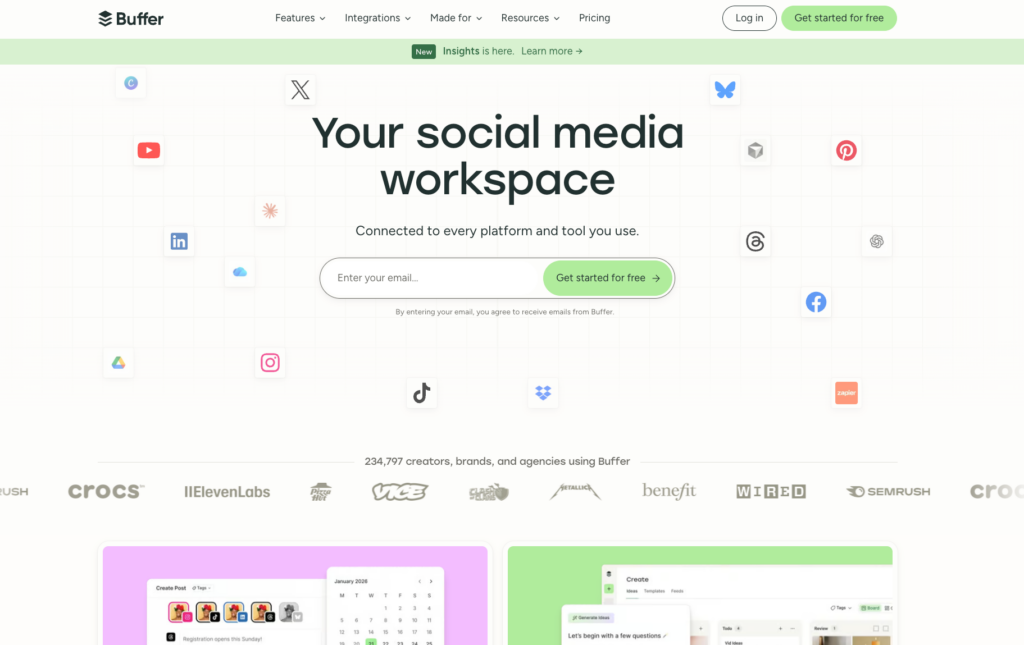
Buffer focuses on straightforward social publishing and scheduling.
It can work well for smaller fitness businesses that want to plan content and maintain a consistent posting schedule.
Key features
Pricing: Buffer has free and paid pricing plans starting at $5/month, billed annually.
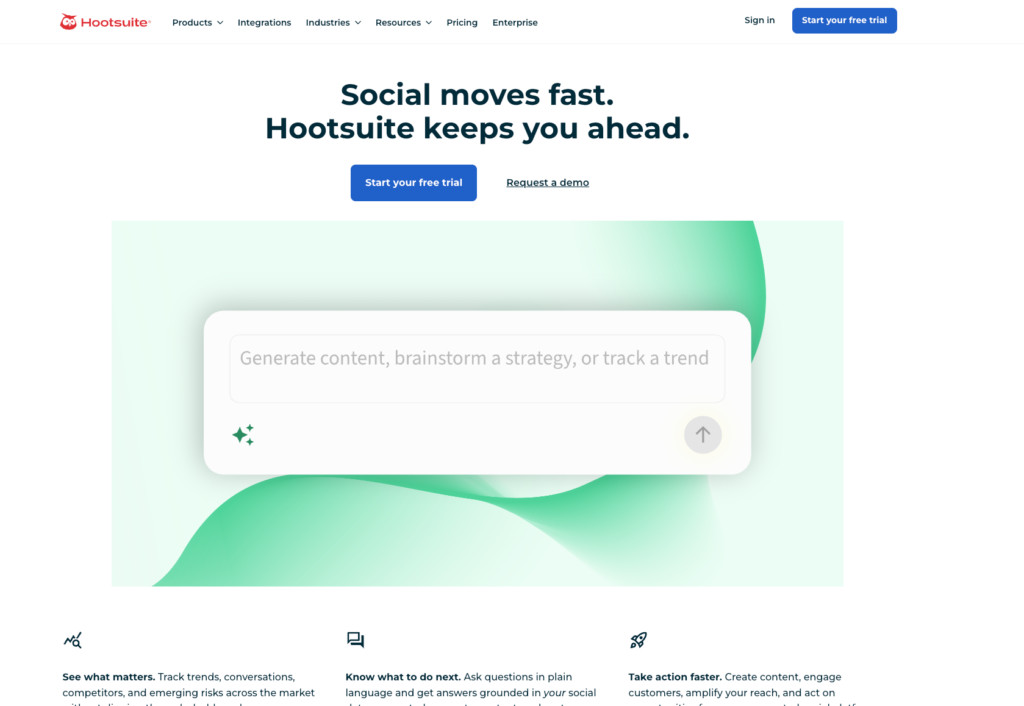
Hootsuite provides broader social media management capabilities, including publishing, monitoring, analytics, and team collaboration.
It may be a better fit for larger businesses managing multiple social profiles or more complex social workflows.
Key features
Pricing: Hootsuite pricing plans start at $99/month.

Later is geared toward visual social media planning and publishing.
Fitness studios and gyms with strong Instagram or TikTok strategies may find its visual planning tools useful for organizing content.
Key features
Pricing: Later pricing plans start at $18.75/month, billed annually.
Marketing without measurement is guesswork.
Analytics and search tools help fitness business owners understand how people discover the business and what happens after they arrive on the website.
For local fitness businesses, three free Google tools deserve particular attention.
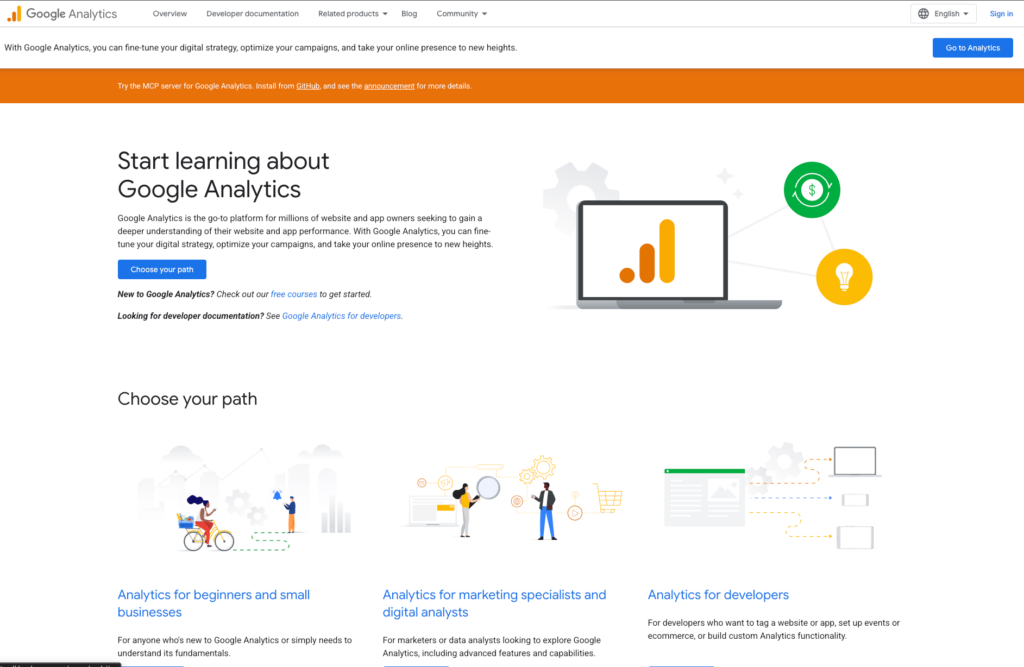
Google Analytics helps businesses measure website traffic and user activity.
A gym can use it to understand which marketing channels bring visitors to the site and track important actions when the proper events are configured.
Key features
Pricing: Free
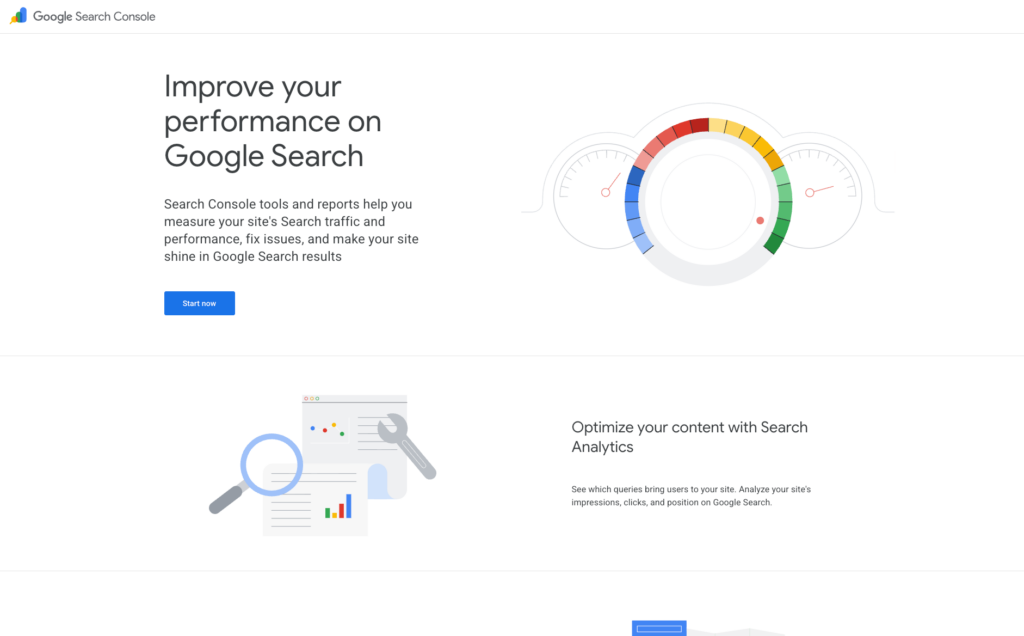
Google Search Console shows how a website performs in Google Search.
Fitness business owners and their marketing teams can use it to review search queries, monitor indexing, inspect URLs, and identify certain technical search issues.
Key features
Pricing: Free
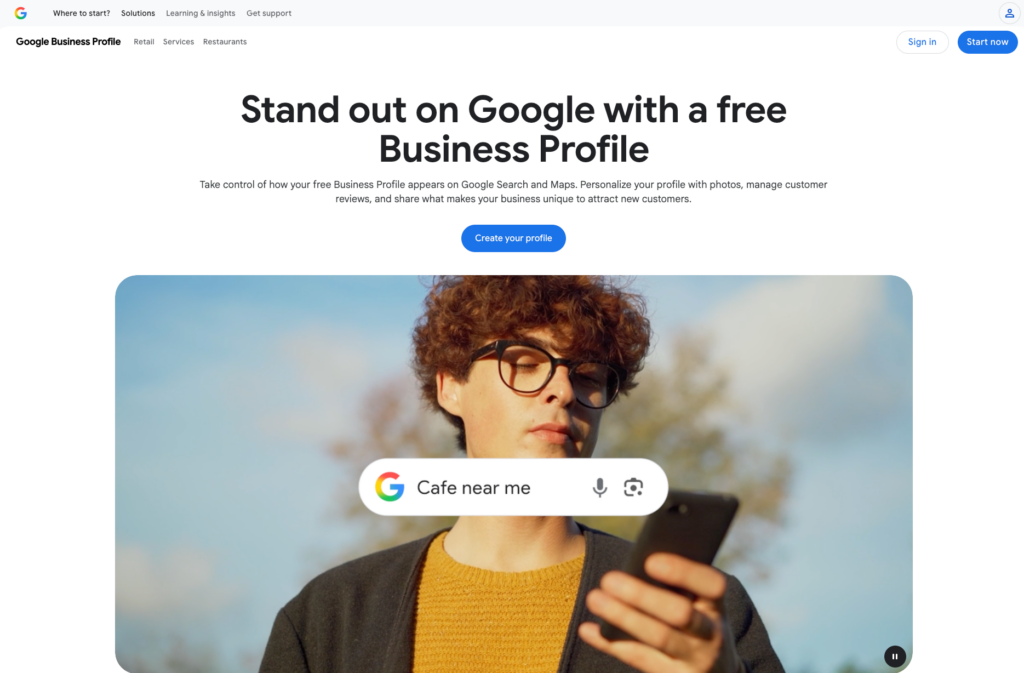
Google Business Profile is critical for many local fitness businesses.
It allows a gym or studio to manage how key business information appears across Google Search and Maps, including hours, photos, reviews, and other details.
Key features
Pricing: Free
Before someone books a trial class, they may read what your current members have to say.
That makes online reputation part of the sales process. Potential clients are scrutinizing your customer reviews, personal trainer bios, and types of training programs offered.
Review management platforms can help businesses request reviews, monitor feedback, and respond more consistently. They can become especially useful for multi-location fitness businesses that need visibility across several local profiles.
Smaller gyms may not need dedicated reputation management software. A consistent internal process for asking happy clients for honest reviews may be enough.
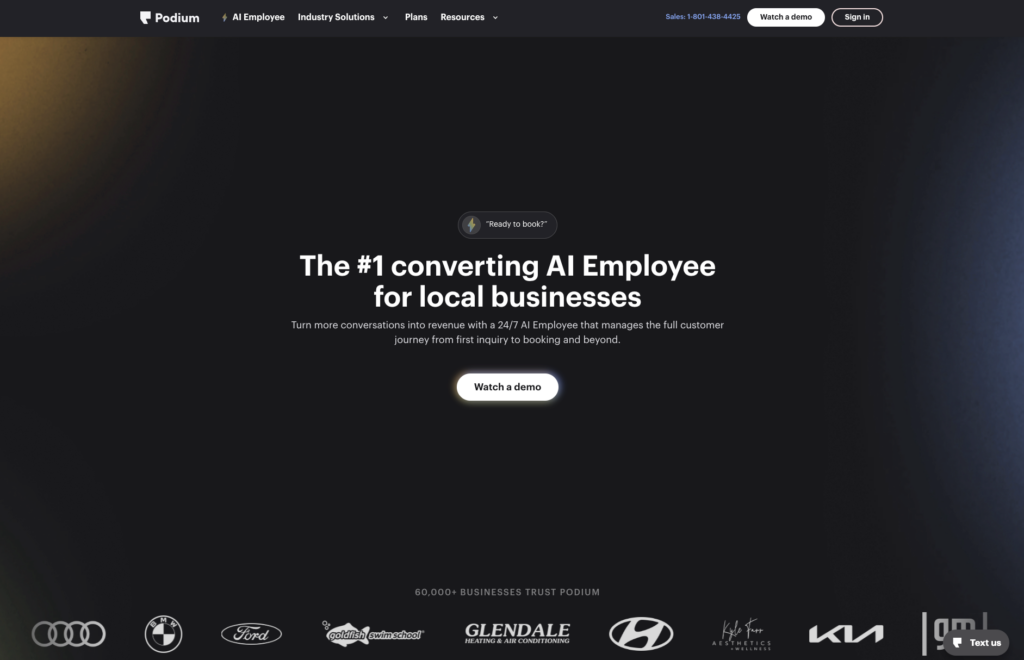
Podium provides tools for reviews, messaging, and customer communication.
It is aimed primarily at local businesses that want to manage customer interactions and reputation from a central platform.
Key features
Pricing: Podium pricing plans require a custom quote, but online sources suggest it’s around $399/month.
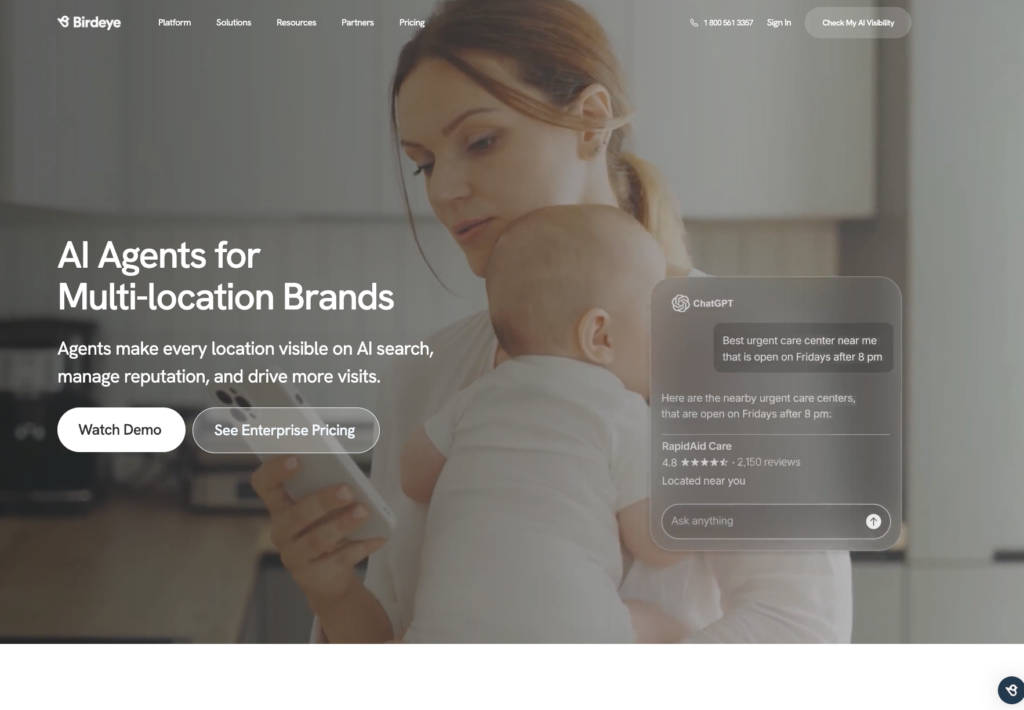
Birdeye offers reputation management, reviews, messaging, and customer experience tools.
Its multi-location capabilities may be relevant to larger fitness businesses that need to manage reputation across several locations.
Key features
Pricing: Birdeye doesn’t disclose its pricing publicly, but customers mentioned it’s at least $300/month.

NiceJob focuses on helping businesses automate review requests and reputation-building workflows.
It may be a simpler option for smaller businesses that want to generate more customer reviews without adopting a larger customer experience platform.
Key features
Pricing: Nicejob pricing plans start at $75/month.
There is nothing inherently wrong with using specialized software.
Stripe is built for payments. QuickBooks is built for accounting. Slack is built for communication. Each can be very good at what it does.
The problem starts when a gym owner becomes the person responsible for holding the entire stack together.
A lead fills out a form in one system. Their contact information moves to a CRM. They buy a membership through another platform. Their payment data lives somewhere else. Staff communicates in a separate app. Performance history is stored in yet another system.
Eventually, the tools designed to save time can create more manual tasks.
That is why many fitness businesses move toward an all-in-one platform as they grow.
Combining client management, membership management, class scheduling, online booking, billing, communication, reporting, and other business operations can reduce duplicate work and give the team a clearer view of what is happening.
It can also make automation more useful.
When your systems are connected, an automated workflow can respond to actual business activity rather than isolated marketing data. A missed visit, failed payment, new lead, membership milestone, or other event can become the trigger for the next action.
Wodify is built around a straightforward idea: the software running your fitness business should make your job easier, not become another job.
For many fitness businesses, that means consolidating more of the day-to-day operation.
Wodify brings together core workflows such as memberships, scheduling, payments, client management, digital waivers, and reporting. Depending on your plan and business needs, it can also support marketing automation, lead management, workout programming, performance tracking, retail, and other functions.
That does not mean every third-party tool disappears.
You may still want dedicated accounting software. Your marketing team may use specialized SEO or social media tools. A larger organization may have communication or CRM requirements that extend beyond a gym platform.
The goal is to stop paying for separate tools to solve problems your core platform can already handle. That’s the upside of using an all-in-one platform vs. separate duct-taped solutions.
The best way to arrive at the ideal solution for your business is to observe and note where you currently have challenges. Some areas to take note of:
Follow the pain, and you’ll be so much happier when you find the right platform vs. an extensive list of features. Bring these items with you to the personalized demo so you get a plan to solve them.
Next, evaluate your total technology costs: monthly subscriptions, payment processing fees, add-ons, SMS charges, integrations, support, and the staff time spent managing all tools.
Finally, consider your business growth. The software that fits a single location with 50 members may not suit multiple locations, a growing coaching team, or a broader service mix. You shouldn’t need to rebuild your tech stack every time your business evolves.
The best business software for your gym offers scalability and support for long-term growth.
The software that works for a single location with 50 members may not be the right system for multiple locations, a growing coaching staff, or a broader mix of services.
Fitness business owners already wear enough hats. Your software should not add another one.
The right fitness business tools can take repetitive work off your plate, make business performance easier to understand, and create a smoother experience for both staff and clients.
Start with the biggest sources of friction. Fix the workflows that cost your team the most time. Then look at whether separate tools are still helping the business or simply creating more systems to manage.
For some businesses, a specialized stack will make sense.
For others, consolidating your fitness business apps into Wodify’s all-in-one gym management platform can simplify the hard stuff and give owners more time to focus on what they actually set out to build: a stronger business and a stronger community.
Norem ipsum dolor sit amet, consectetur adipiscing elit. Etiam eu turpis molestie, dictum est a, mattis tellus.
Already know which provider you want to select?
Click “Sign up Now” to lock in your choice and pick your start date. It’s quick and easy!
Looking for a bit more information or guidance? Click “Talk to Us” to arrange a call with us. We’ll help you find the perfect program tailored to your needs.
Norem ipsum dolor sit amet, consectetur adipiscing elit. Etiam eu turpis molestie, dictum est a, mattis tellus.
Norem ipsum dolor sit amet, consectetur adipiscing elit. Etiam eu turpis molestie, dictum est a, mattis tellus. Sed dignissim, metus nec accumsan.
Norem ipsum dolor sit amet, consectetur adipiscing elit. Etiam eu turpis molestie, dictum est a, mattis tellus. Sed dignissim, metus nec accumsan.
We’ll let you try Wodify for yourself and get a feel for what it can do for your business. A Wodify rep — a real person — will walk you through every feature.




"Wodify transformed how we run the gym. I now have more time to focus on growing my business and helping members thrive."Dana Bradley, Owner of Westside Fitness
Click “Talk to Us” to arrange a call so we can discuss the flexible access options that best fit your facility.
Click “Book a Demo” to learn more about how Wodify can help your business grow.
Your branded app is one conversation away. Click “Talk to Us” and our team will walk you through everything you need to get started.
Click “Book a Demo” to learn more about how Wodify can help your business grow.