



Try the #1 software for $1/month.
Norem ipsum dolor sit amet, consectetur adipiscing elit. Etiam eu turpis molestie, dictum est a, mattis tellus. Sed dignissim, metus nec accumsan.

Customer Retention

Member retention gets decided early. In Wodify’s data, fewer than 60% of new gym members are still around 90 days after they sign up. Sign up 10 people in October, and you’ll likely have six of them in January.
I’ve lived on both sides of that number. I ran a 450-member CrossFit affiliate in the San Diego area for years, and today I own a 285-member jiu-jitsu school in East Tennessee. The new members I lost mostly drifted: three good weeks, a missed week, then a cancellation email nobody saw coming.
What fixed it for me was a checklist with five touchpoints between day one and day 90. The one that does the most work is a single question I ask at the one-month mark, and it isn’t “How’s it going?”
For CrossFit affiliates, jiu-jitsu academies, and other community-driven gyms, the first 90 days are when a new member either builds a training habit or drifts away. The gyms that keep new members past day 90 run a scheduled check-in plan, from a written goal on day one to a celebration at day 90.
In Wodify’s 90-day retention research, the top 10% of gyms keep 71.9% of new members through their first 90 days. Everyone else keeps under 60%.
Picture 100 new sign-ups. The top gyms still have about 72 of them training at day 90, and the average gym has 60. Keep that up month after month, and it adds up: the top 10% run almost three times the membership of an average CrossFit affiliate gym, which sits around 129 members.
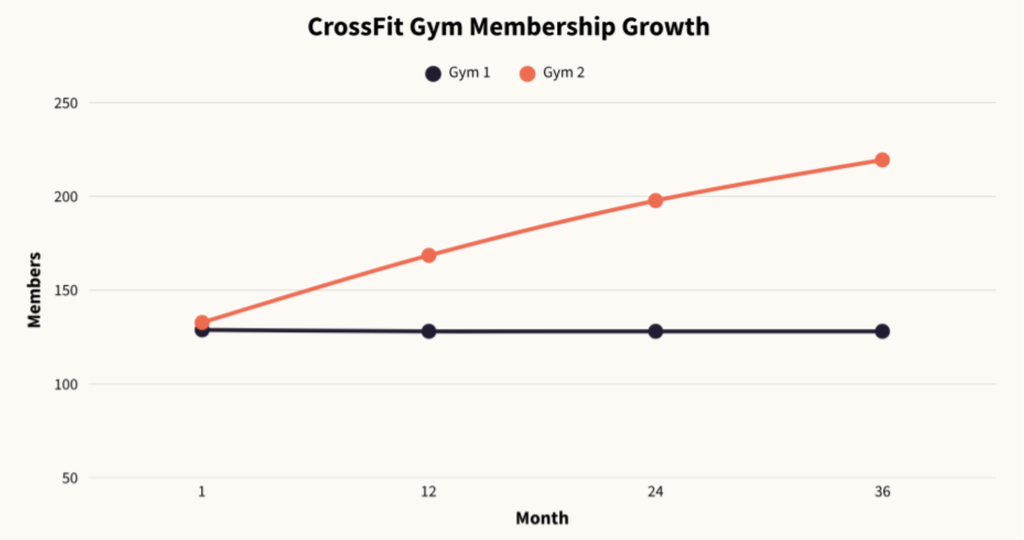
Two CrossFit gyms start with 129 members and sign up the same seven new members a month. The only difference: Gym 2 keeps about 3% more of its members every month.
I hear “I need more leads” from owners almost every week. Leads matter, but most gyms I visit have a retention problem first, and it’s cheaper to fix. The top 10% gyms playbook lays out what those owners do differently, and almost all of it is about keeping the members they already have.
Some of the best owners I know act like the mayor of their gym. They know every name, every kid’s name, and every bad knee. That’s great until the mayor takes a vacation, gets sick, or opens a second location.
Write the check-ins down so any coach can run them. Your coaches are your moat: they see members more than you do, and a written plan tells them exactly who to talk to and when.
I run most of mine through automated workflows, so every new member gets the same check-ins on the right day, even during a week when I’m buried. I write each message in my own words. Every 90 days I rewrite them, so long-time members don’t get the same text twice.
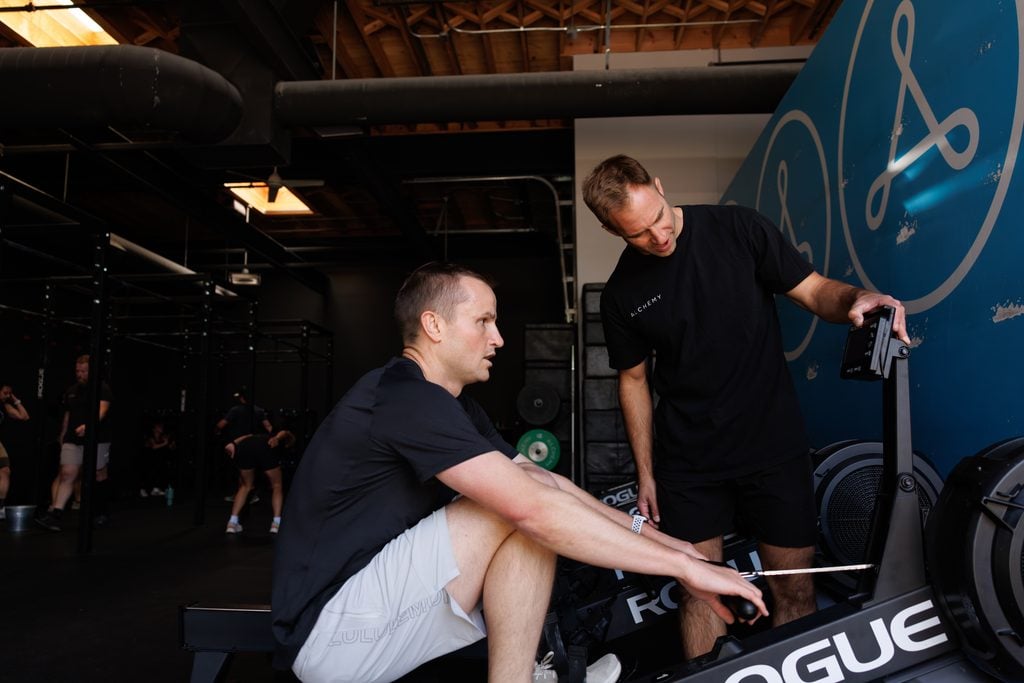
This is the checklist I use at my jiu-jitsu school, and it works the same in a CrossFit box or a small group training gym. Five touchpoints, each tied to a day on the calendar.
Sit down with every new member on day one and ask why they came in. Stronger, leaner, keeping up with their grandkids, looking better naked: there are no bad goals. Write it down somewhere you’ll see it again, because every check-in after this refers back to it.
Two weeks in, pair the new member with someone who’s been training with you for a year or more. Pick the person who buys every t-shirt drop and likes every Instagram post. A new member who has one friend in class has a reason to show up that has nothing to do with the workout.
The one-month question is “What’s hard?” If you ask how it’s going, you’ll hear about the easy stuff. Ask what’s hard, and you’ll hear “running” or “I can’t make the 6 p.m. class anymore.” Those are problems you can solve with a running clinic, a personal training session, or a schedule change.
Around day 60, pull every member who joined 60 to 90 days ago and count their visits over the last 30 days. Anyone under six gets a call. If they don’t answer, text them, then email, then call back. Your doctor calls you, and your mom calls you if you go quiet for two weeks; your gym should too.
If you use Wodify, Ask Wodify AI can pull that list for you. Ask it in plain language, like “Which members who joined 60 to 90 days ago have fewer than six visits in the last 30 days?” It can also draft a check-in message for each person, which you can edit before it goes out.
At 90 days, send a message that names what they’ve done. Mine reads: “Hey Sally, it’s Ben. It’s been 90 days since you signed up, and your progress has been noticeable. A lot of people struggle to stick with something this long, and I want to celebrate you.”
If you log lifts in Wodify Perform PR tracking, add one real number from their history. Then hand them a free t-shirt or put their photo on your milestone wall.
The checklist matters most for the member who stalls early. Someone who stops after week three never reaches the day 60 call, which is why the weekly scan below runs alongside it.
Every Tuesday morning, I pull a list of every member who hasn’t been in for 10 days. Pick your own cutoff anywhere from 7 to 14 days, and go shorter if most of your members train four or five times a week. Past 14 days, you’re trying to win someone back instead of keeping them. Then I send each of them this text:
“Hey Sally, it’s Ben with Athens Jiu-Jitsu. I just wanted to check in. Haven’t seen you in a couple of days. Is everything okay?”
End on the question so they reply.
Usually it’s a vacation or a sore back, and the answer is “Awesome, when are you back?” Text beats email here, since most owners I know get hundreds of emails a day and so do your members.
The scan pays off because attendance predicts cancellations. In Wodify’s data, a member who comes in once in 30 days has about a 20% chance of canceling the next month. A member training three times a week has about a 2% chance. Treat anyone under four visits a month as a member at risk of churning.
How Wodify helps: Wodify, gym management software built for CrossFit affiliates, martial arts schools, and boutique studios, flags quiet members for you. Its at-risk client alerts use attendance gaps to surface who needs a call, so your Tuesday scan starts with a list instead of a spreadsheet.
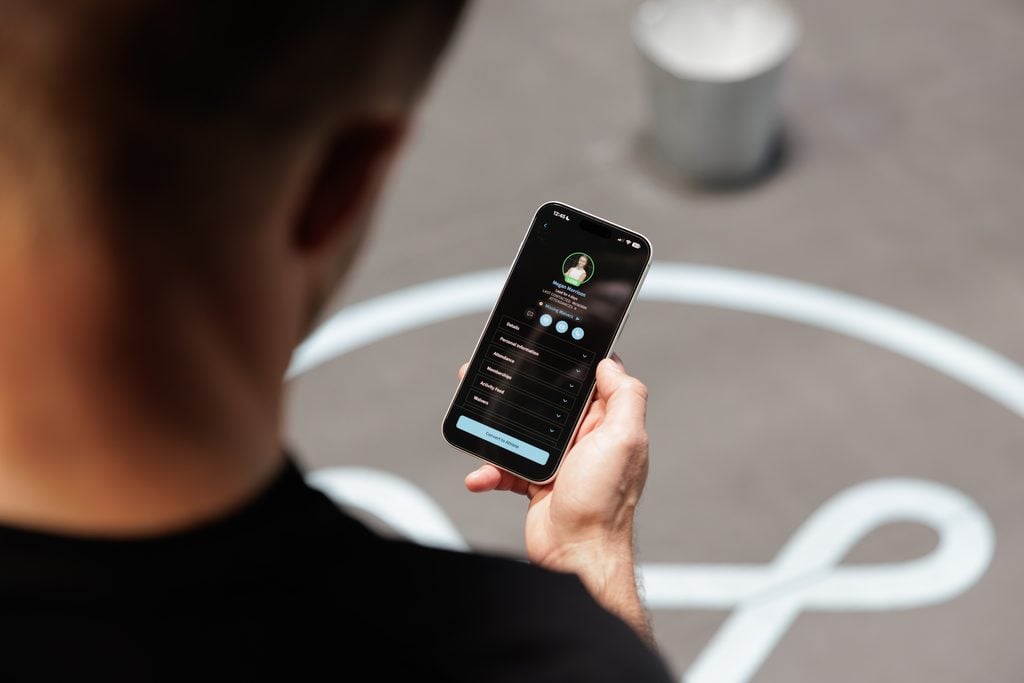
A checklist only helps if you can see whether it’s moving anything. These are the four numbers I check, most of them weekly. Your retention rate by itself is a lagging number; the other three tell you what’s coming.
| Number | What it tells you | When to act |
| Monthly churn by membership type | Which memberships lose people fastest | One type churns faster than the rest |
| 90-day retention rate | How well onboarding works | Under 60% of new members stay |
| Average visits per member | Who’s building a habit | Under four visits a month |
| Weekly streak distribution | How many members train every week | Few members past an 8-week streak |
Rewarding those streaks keeps them growing. A Committed Club for members who hit 12 to 16 classes a month is the first of the gym retention ideas I’d start with.
If you run a jiu-jitsu school without check-ins, start there. Without check-ins you can’t see visit frequency, and visit frequency is the earliest warning you get.
This week, pull everyone who joined 60 to 90 days ago, count their visits, and call anyone under six. That one list will show you whether onboarding is working, and the full webinar at the top of this post walks through the rest of the retention math.
See how Wodify’s gym management software helps you automate member check-ins and spot at-risk members before they cancel. Book a demo to see it with your own members.
Focus on a new member’s first 90 days, since that’s when most early cancellations happen. Set a goal on day one, connect them with a long-time member, and check in at 30, 60, and 90 days. After that, a weekly scan for members who haven’t been in for 7 to 14 days catches people before they drift.
In Wodify’s data, the top 10% of gyms keep about 72% of new members through 90 days, while the average sits under 60%. If you’re below 60%, onboarding is the first place to look. Measure it by sign-up month so a slow January doesn’t hide a strong February.
Start with a call for new members under six visits in their first 60 days, and use a text for the weekly check-in on everyone else. Texts get read faster than email, and a short question gets a reply. If a call goes unanswered, follow with a text, then an email, then another call.
They don’t have to, as long as the message sounds like you and uses the member’s first name. Write it the way you’d text a friend, end on a question, and rewrite it every 90 days so regulars don’t see the same words twice. For jiu-jitsu schools, jiu-jitsu academy software that tracks check-ins supplies the attendance data that tells you when to send them.
Norem ipsum dolor sit amet, consectetur adipiscing elit. Etiam eu turpis molestie, dictum est a, mattis tellus.
Already know which provider you want to select?
Click “Sign up Now” to lock in your choice and pick your start date. It’s quick and easy!
Looking for a bit more information or guidance? Click “Talk to Us” to arrange a call with us. We’ll help you find the perfect program tailored to your needs.
Norem ipsum dolor sit amet, consectetur adipiscing elit. Etiam eu turpis molestie, dictum est a, mattis tellus.
Norem ipsum dolor sit amet, consectetur adipiscing elit. Etiam eu turpis molestie, dictum est a, mattis tellus. Sed dignissim, metus nec accumsan.
Norem ipsum dolor sit amet, consectetur adipiscing elit. Etiam eu turpis molestie, dictum est a, mattis tellus. Sed dignissim, metus nec accumsan.
We’ll let you try Wodify for yourself and get a feel for what it can do for your business. A Wodify rep — a real person — will walk you through every feature.




"Wodify transformed how we run the gym. I now have more time to focus on growing my business and helping members thrive."Dana Bradley, Owner of Westside Fitness
Click “Talk to Us” to arrange a call so we can discuss the flexible access options that best fit your facility.
Click “Book a Demo” to learn more about how Wodify can help your business grow.
Your branded app is one conversation away. Click “Talk to Us” and our team will walk you through everything you need to get started.
Click “Book a Demo” to learn more about how Wodify can help your business grow.