

Try the #1 software for $1/month.
Norem ipsum dolor sit amet, consectetur adipiscing elit. Etiam eu turpis molestie, dictum est a, mattis tellus. Sed dignissim, metus nec accumsan.

Tips
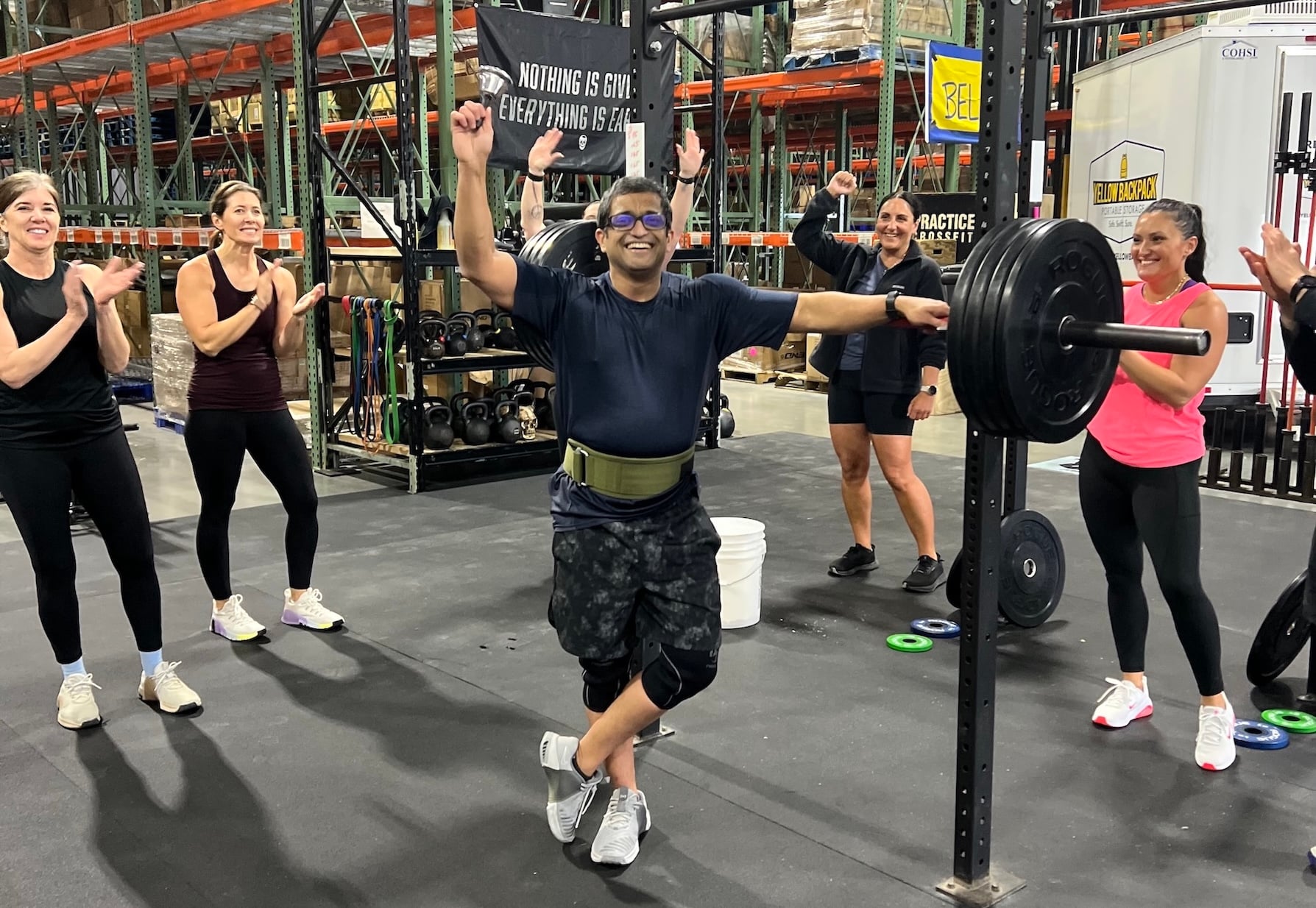
When most gym owners think about gym growth, two things come to mind: getting more leads and selling more memberships. But after more than a decade of gym ownership, I’ve learned that gym programming is the secret sauce.
If someone inquires about a membership at your gym today, what will you tell them about why they should sign up? If you’re like most gym owners, it probably sounds like this:
Our coaching team is elite.
This is the best gym community in [your city].
We’re the only gym in town with 143 classes per day and 98 Rogue GHD machines.
Okay, that last one is a stretch. And most of the time, fitness business owners will mention gym programming. But not in the way that seals the deal, and makes someone want to sign up.
Today, we’re talking about how impactful your programming can be for increasing gym retention, and how to choose the right training for your members.
The members of your gym come from different backgrounds. They have different goals, schedules, and favorite pizza toppings. But they all have one thing in common: they came to you for results.
There’s the 42-year-old former athlete who wants to get back in shape. And the stay-at-home mom who’s looking to connect with other parents in the area. You might have teens who are looking to build confidence or senior citizens who want to be as mobile as possible for as long as possible.
Despite the differences, the goal is results. And the right gym programming is what delivers the “product” that they’re all paying you for.
When your programming is intentional, structured, and progressive, members see results. When they see results, they stay. They refer friends and become the people you feature in your testimonials. On the other hand, when the programming is generic or inconsistent, members can hit plateaus or get bored. That’s when they lose motivation or start wondering if they’re wasting their money.
The bottom line is, you can have the best lead-generation strategy in town and an incredibly high sales closing rate. But if your gym programming doesn’t deliver on why they came to you in the first place, growing your gym can feel like an uphill battle.
The best time to optimize your gym programming strategy was yesterday. The next-best time is today! Here are seven steps to level up:
One of the best ways to figure out if there’s room for improvement in your programming is to look at churn-related gym KPIs. An easy way to see if your gym programming is a churn culprit is if members aren’t sticking around. Remember, they’re here for the results. And members who get their desired results don’t bail.
Want to take it a step further? Ask members to complete a brief “exit interview” form when they submit their cancellation notice. In it, you can touch on the reasons for their decision as a way to pinpoint areas for improvement, and note whenever responses are related to programming.
How much time is your gym programming currently costing you each week? Not just writing it, but uploading it as well. And what about adjusting for special equipment considerations or changes in the weather?
On the surface, it might seem like just a couple hours. But if that “couple hours” happens in the middle of your Sunday afternoons, the real cost could be family time or mental health. On the flip side, those hours might take place during your workdays. But if that’s the case, that time might be better spent on tasks that move the needle for business growth.
Start by actually tracking the hours (not guessing) that you’re spending on programming for a few weeks. If it’s substantial or you know those hours could be better spent elsewhere, you might want to consider outsourcing (see #7 below) to let the pros step in to help!
It’s been proven time and time again that the first 90 days are “make or break” for your new members. During this time, they’re either enjoying the results and connecting with the community, or they’re silently building a case for why it’s not working.
And that’s why a structured, informative onboarding program is crucial for building long-term, happy members. It should provide each member with a specific path to follow. Start with baseline tests or benchmarks, upsell personal training sessions if needed, and give them clear ways to see how they’re progressing during the first 90 days. No matter what, you want them to look back at the 90 day mark and see exactly how far they’ve come by showing up.
There’s a fantastic quote from an OG CrossFit coach Greg Everett (now the founder of Catalyst Athletics) that says, “Being prepared for any random task is not the same thing as preparing randomly for any task.” In other words, building a training program based on randomness is not the way to get results for your members.
But here’s another layer to it: Randomness can also mean one coach writing all of your gym programming. Except for Saturdays, when whichever coach is leading the class that day makes something up. This could look something like, “Monday is heavy-ish. Tuesday is cardio. Wednesday is…” No progressions and no planning will eventually show up as a retention problem.
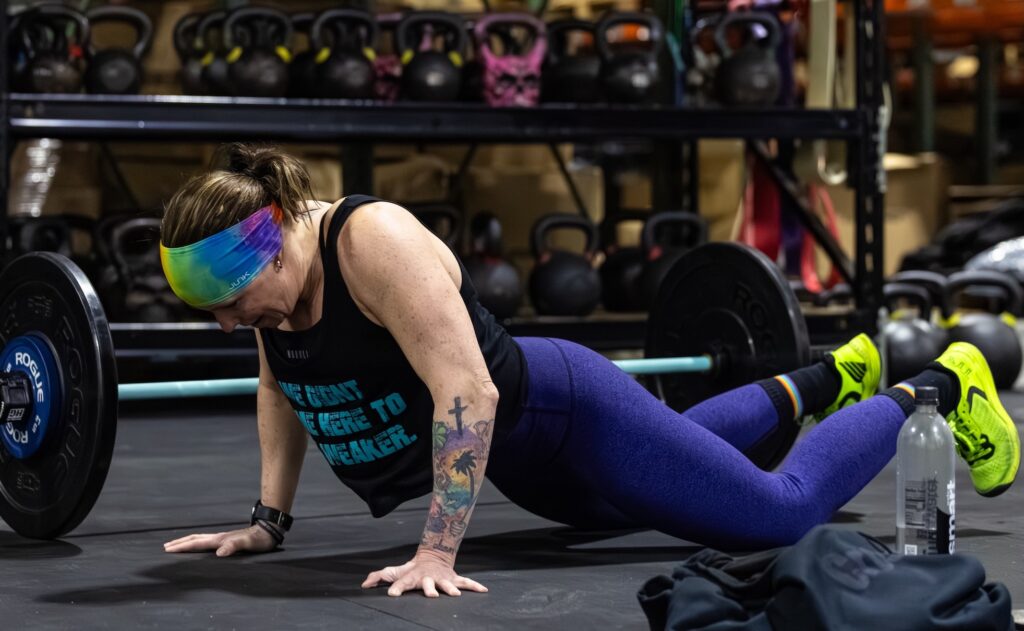
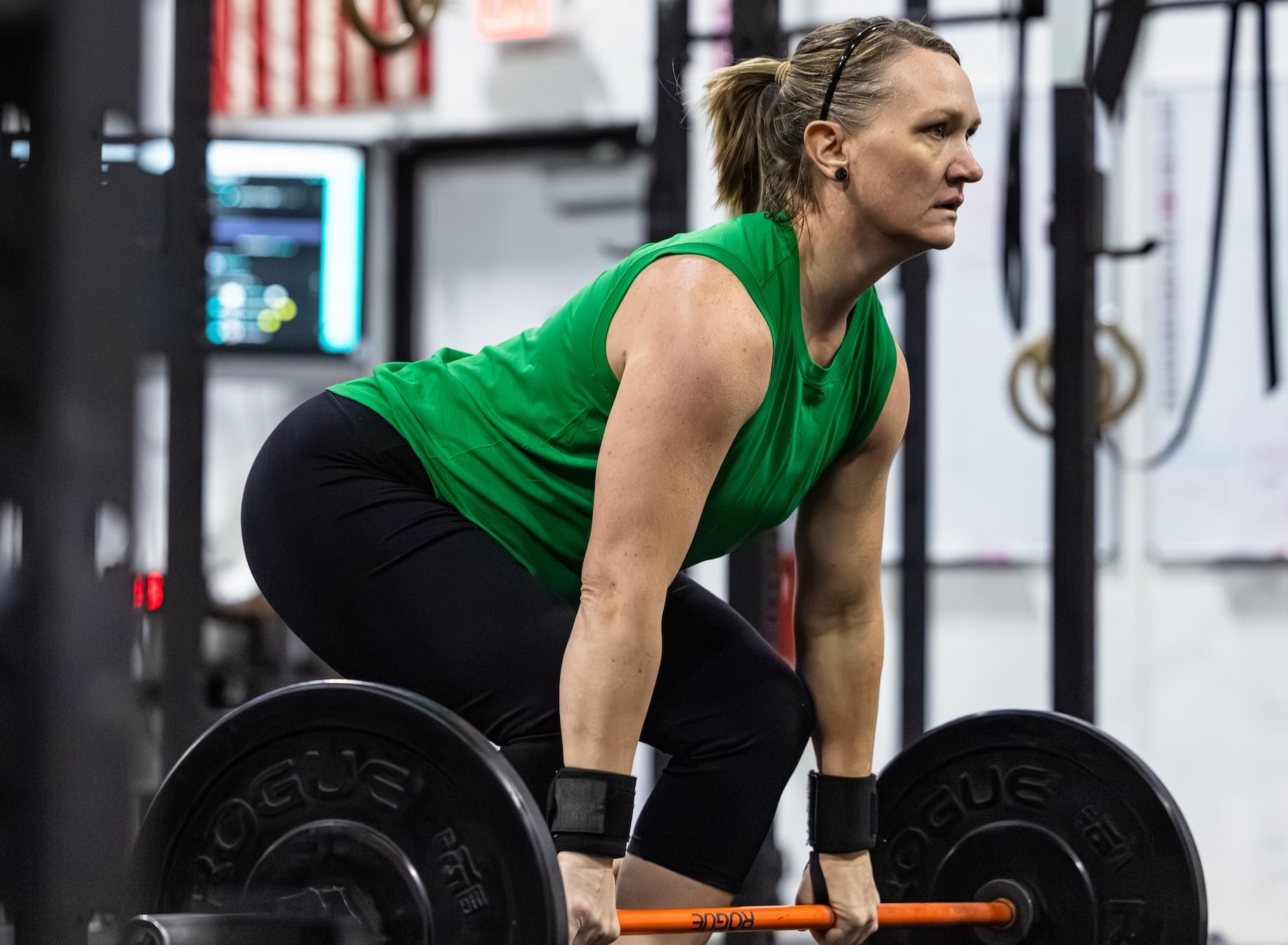
Whether you’re outsourcing programming or writing it in-house, focus on things cycles and progressions. For example, deadlifting “every once in a while” won’t help members improve their deadlift. And if a heavy deadlift is programmed randomly, it can be the fast track to tweaked backs and missed classes. Instead, program a cycle (4-6 weeks) that includes deadlifts, starting lighter and working toward a heavier load.
Recently, we featured a blog from RP Strength about the power of tracking progress. In it, they said, “Every time you log a workout, weigh in, or hit your nutrition targets, you are doing more than collecting data. You are creating proof. Proof that you showed up, followed through, and did what you said you were going to do. These actions might feel small in the moment, but they accumulate over time. Eventually, that stack of proof becomes powerful.”
Oftentimes, gym owners think about tracking in terms of public leaderboards. But the truth is, tracking progress is not about competition within a gym community at all. Whether it’s nutritional macros, class attendance, or gym programming achievements, tracking is how your members see how far they’ve come. For you as the gym owner, that’s hard evidence as to whether your systems are working.
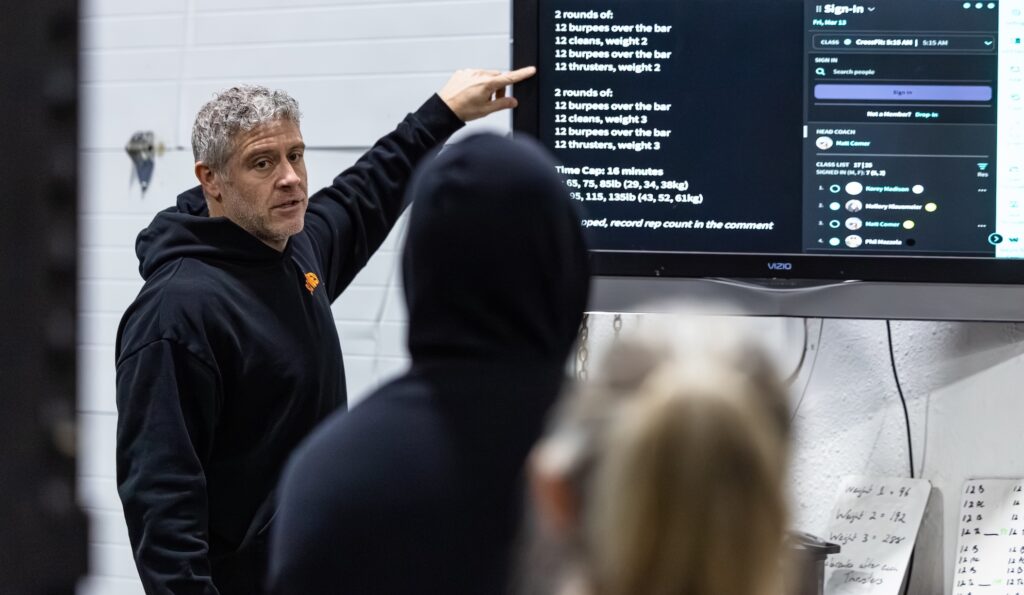
Platforms like Wodify make it super easy for members to track progress. The key is to make sure they know how! Show them the steps as they get started at your gym, and have coaches remind members to track at the end of each class.
Hot take: You and your coaches should be doing the same programming as your members. Nothing says, “We don’t believe in what we’re selling you” more than your team choosing different workouts than what your classes are doing.
For CrossFit gyms, functional fitness, bootcamps, boutique studios and more, community is everything. And that community revolves around the “shared suffering” that comes from your gym programming. There’s an unspoken “we’re all in this together” message that unites everyone. Unless it doesn’t. And it might not be an immediate blocker for retention, but in the long run, it can stall growth for gyms with the best intentions.
This is a fairly easy one to fix. Encourage coaches to attend a certain number of classes per week, and share which ones they’re taking in your members’ social group online or a Slack channel. This could even help to drive attendance, as I’ve found that members generally love taking classes with coaches.
If your gym programming is costing you time or not providing results for your members, run-don’t-walk to the Wodify Workout Marketplace to look at options.
Outsourcing my gym’s programming is without a doubt one of the best decisions I ever made for my gym. Most of my members are masters athletes (35+) so I chose Beyond Strength & Endurance because it focuses on longevity, keeping members healthy and having fun. Plus, I love the variety in modifications (e.g. it’s not always ring rows as a pull-up modifier). The programming is uploaded daily into my members’ Wodify app, so I don’t have to write it, upload it, or worry about it. Plus, there are equipment and weather considerations listed, just in case I need to make a last-minute change based on class size or our crazy Midwest weather.
The most successful gyms aren’t necessarily the ones with the most expensive equipment or the biggest team of coaches. Many of them simply provide gym programming that delivers on the one goal all members share: results.
When your community can trust that their training is intentionally designed to get them results, and that they can visibly track progress, they’ll stick around. Members simply don’t leave gyms where they’re measurably improving. Plus, they tell their friends.
The gyms that win long-term are the ones that take programming as seriously as they take marketing and sales. They know that every workout is either strengthening or weakening the case for a member to stay, and they build accordingly.
Norem ipsum dolor sit amet, consectetur adipiscing elit. Etiam eu turpis molestie, dictum est a, mattis tellus.
Already know which provider you want to select?
Click “Sign up Now” to lock in your choice and pick your start date. It’s quick and easy!
Looking for a bit more information or guidance? Click “Talk to Us” to arrange a call with us. We’ll help you find the perfect program tailored to your needs.
Norem ipsum dolor sit amet, consectetur adipiscing elit. Etiam eu turpis molestie, dictum est a, mattis tellus.
Norem ipsum dolor sit amet, consectetur adipiscing elit. Etiam eu turpis molestie, dictum est a, mattis tellus. Sed dignissim, metus nec accumsan.
Norem ipsum dolor sit amet, consectetur adipiscing elit. Etiam eu turpis molestie, dictum est a, mattis tellus. Sed dignissim, metus nec accumsan.
We’ll let you try Wodify for yourself and get a feel for what it can do for your business. A Wodify rep — a real person — will walk you through every feature.




"Wodify transformed how we run the gym. I now have more time to focus on growing my business and helping members thrive."Dana Bradley, Owner of Westside Fitness
Click “Talk to Us” to arrange a call so we can discuss the flexible access options that best fit your facility.
Click “Book a Demo” to learn more about how Wodify can help your business grow.
Your branded app is one conversation away. Click “Talk to Us” and our team will walk you through everything you need to get started.
Click “Book a Demo” to learn more about how Wodify can help your business grow.