


Try the #1 software for $1/month.
Norem ipsum dolor sit amet, consectetur adipiscing elit. Etiam eu turpis molestie, dictum est a, mattis tellus. Sed dignissim, metus nec accumsan.

Jiu-Jitsu
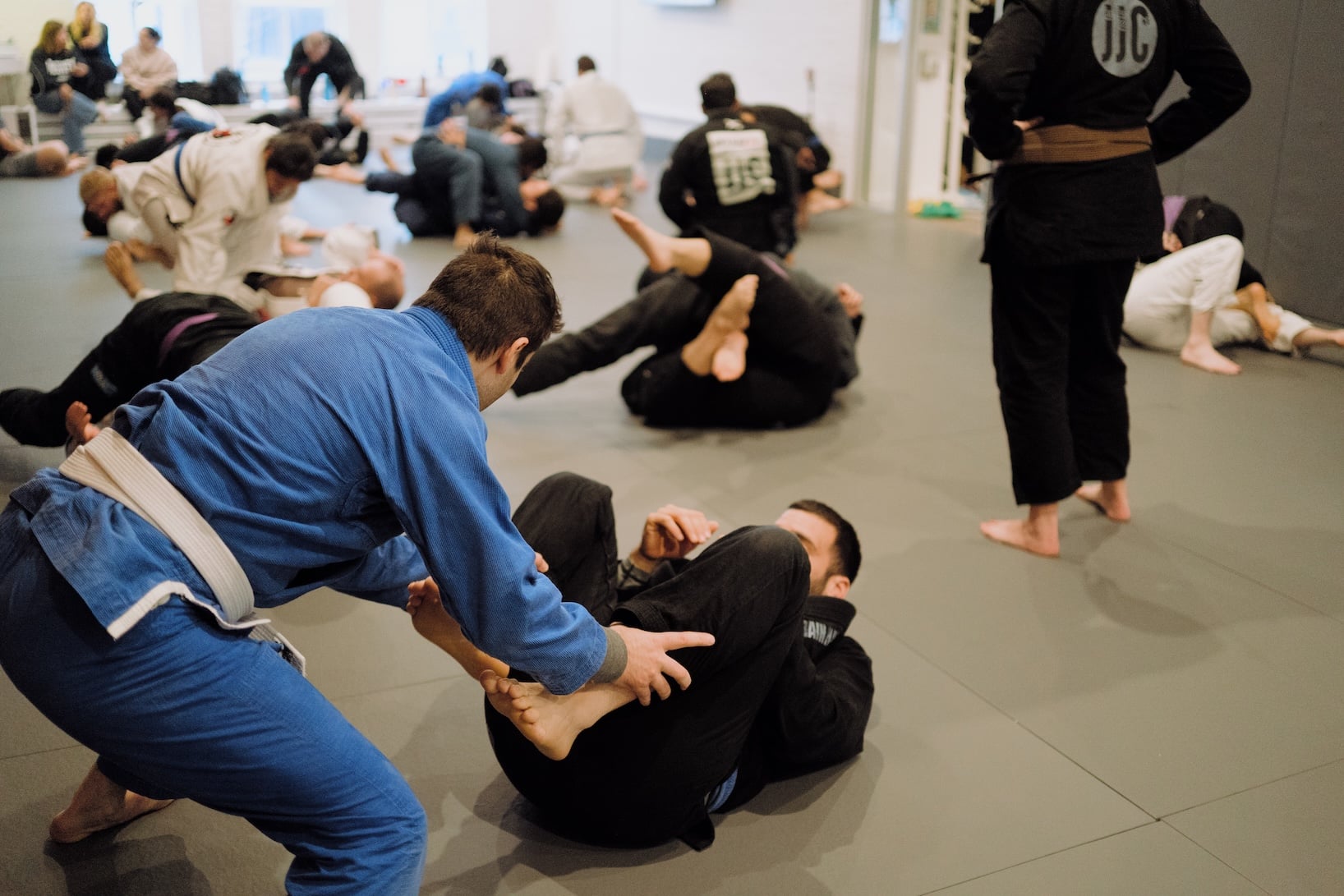
When someone first discovers jiu-jitsu, the excitement is contagious. As academy owners can attest, it’s not uncommon for new students to go all in. They want to learn all the moves right away, show up consistently and seal the deal with buying their own gi.
But what happens next is also not uncommon. Occasionally, students will start to fall off. They miss a week of classes, which then turns into two. They might claim that life is just busy, but the truth is, there’s a different reason attendance starts to slip.
And the good news is that there are usually similarities in the real reason(s) why. Most of the time, the dip in that initial excitement about jiu-jitsu can be fixed by a few simple systems. With them, you can help students see progress, gain clarity in training, or just make them feel like they belong in the community.
During the first 30-60 days, everything is new and intriguing for jiu-jitsu students. They’re learning how to shrimp, survive rounds, and recognize positions. Even small improvements feel like big wins and they might even hit a submission on another beginner.
But it’s normal for that experience to shift after 90 days or so. Students may experience:
At this point, jiu-jitsu students might start silently questioning things like whether they’re actually improving and if they belong at your academy. And since they usually don’t ask these questions out loud, the uncertainty lowers their confidence and can lead to attendance drop-offs.
Pro Tip: Remember that increasing your jiu-jitsu school retention doesn’t come from motivation. It comes from a combination of progress, understanding and belonging.
Not unlike learning anything new in life, jiu-jitsu can feel overwhelming at first. With so many new movements, techniques and even jiu-jitsu equipment to figure out, they can sometimes leave class feeling like they’re “just not good at this.” But the real issue is simply that they don’t know that the learning curve is normal.
How to Fix This: Keep everything super-simple. State the goal of each class in clear, easy-to-understand language that any beginner can understand. For example, “Today, you’ll learn how to escape side control using frames and a hip escape. Your win today will be getting to guard—even if you don’t finish the escape perfectly.” Then continue reassuring them that it’s normal to feel slightly overwhelmed by all the info, and encouraging them to ask questions.
Pro Tip: Use the Wodify Digital Student Experience, technology that empowers your Jiu-Jitsu students to feel more confident before, during, and after class.
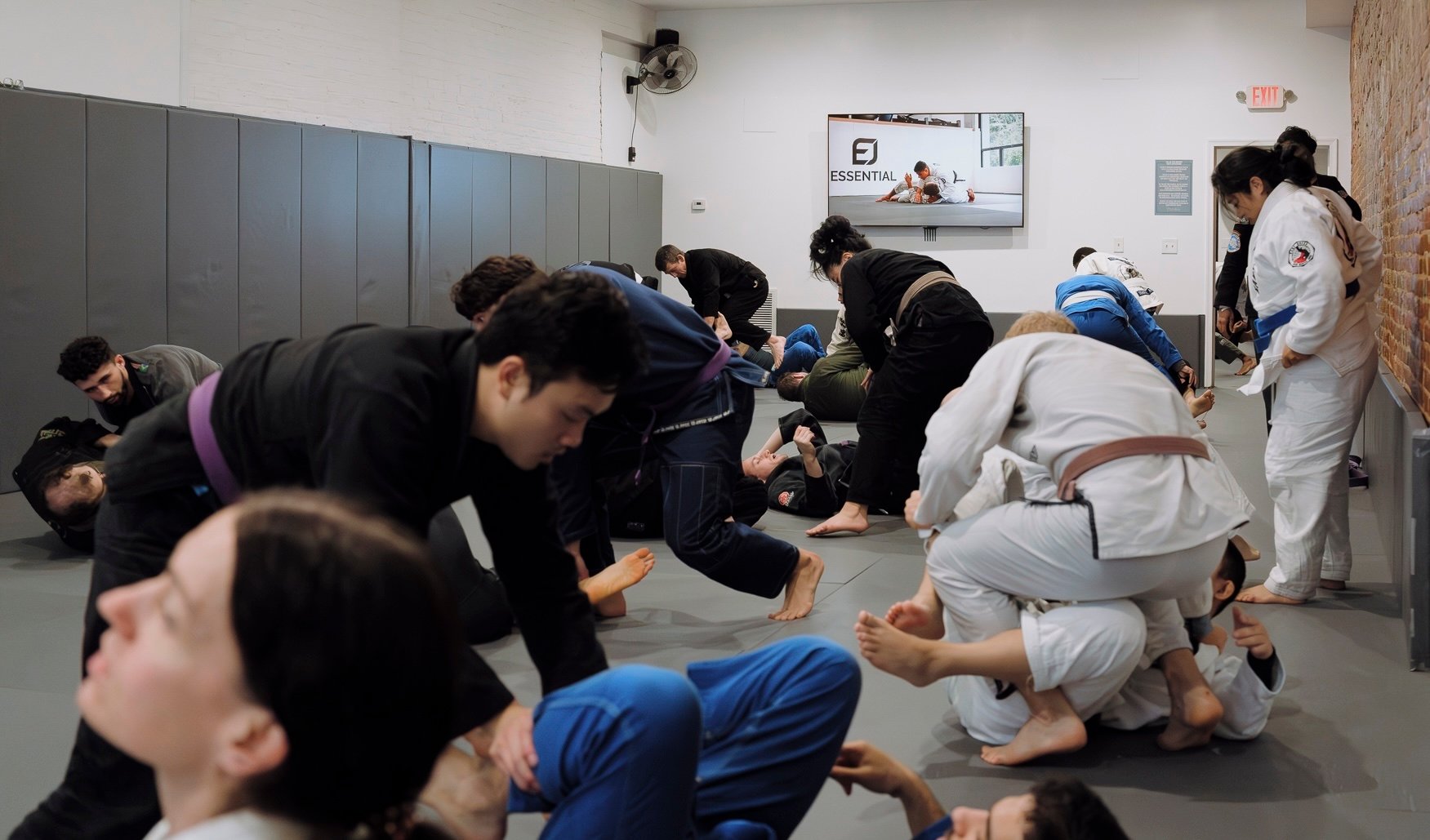
As with most fitness disciplines, early achievements come quickly in jiu-jitsu. At the beginning, it’s exciting and motivating to see visible progress every time you show up. But as the fitness journey progresses, plateaus can happen. Sometimes it’s as simple as knowing what to do, but not being able to do it under pressure. Other times, progress isn’t measurable so it feels like nothing is happening.
How to Fix This: Wins don’t always have to be as big as jiu-jitsu belt progressions. Create progress markers on a “wins of the week” board for your students. These wins could include things like escaping mount, recovering guard, staying calm for a full round, remembering grips, etc. This way, students can pinpoint improvements, and this makes them far more likely to show up consistently.
Sparring is one area where newer students can feel like they’re “behind,” to the point where some may try to avoid it altogether. It’s not that they don’t know sparring is difficult. They just get frustrated if it doesn’t go well, which can deter them from even signing up for class.
How to Fix This: Design a “sparring ramp” for beginners, pairing them with other students who are also new to jiu-jitsu. Start with positional rounds that have specific goals—escape side control, maintain closed guard, finish a sweep, etc. Have your coaches monitor these rounds, with an almost over-the-top emphasis on building students’ confidence and skill.
Missing a week of jiu-jitsu classes is less about not getting a good sweat and more about feeling like you’ve missed out on progress. From a beginner’s perspective, it can seem like everyone else advanced a ton while you’re starting to fall behind. And from the academy’s perspective, this is the time to take action, making sure one week of missed classes doesn’t derail the whole journey.
How to Fix This: Provide a simple plan from the start for students to achieve “minimum effectiveness.” In other words, explain that if they do what’s prescribed in the plan, they will be able to make progress. This could be as simple as completing three classes per week for eight weeks. Then emphasize, “Two is the standard, but three will help you advance faster.” Also, include a back-up plan for missed time: “If you miss a week, complete three classes the following week.” When people know exactly how to get back on track, they’re far more likely to regain consistency.
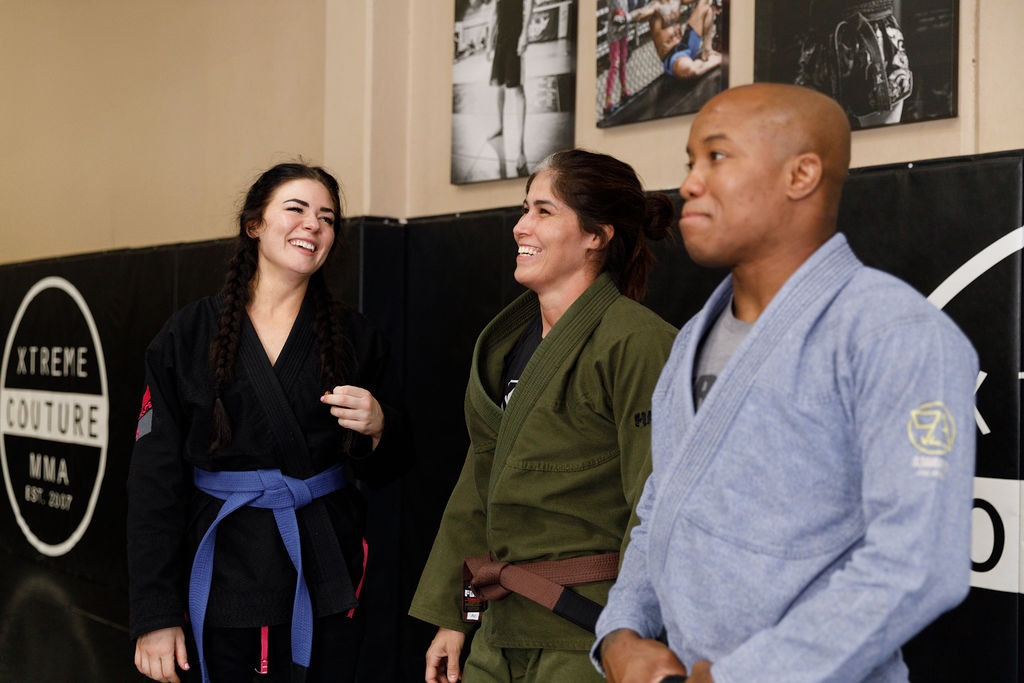
Community is a key part of the jiu-jitsu experience, but it’s important for academy owners to create a supportive, welcoming culture for increasing retention. Unfortunately, some schools (usually unintentionally) do the opposite—fostering an environment of cliques, inside jokes and an overall “you don’t fit in here” vibe. This can make new people feel like outsiders, and leave just as quickly as they came.
How to Fix This: Be intentional about the culture you’re leading, and continue to reinforce it. From the very first class, introduce new students by name and introduce them to others. Ask higher belts to say hello, and offer a word of encouragement. You could even consider creating a buddy system for the first 30-60 days, so new students always have a built-in drill partner.
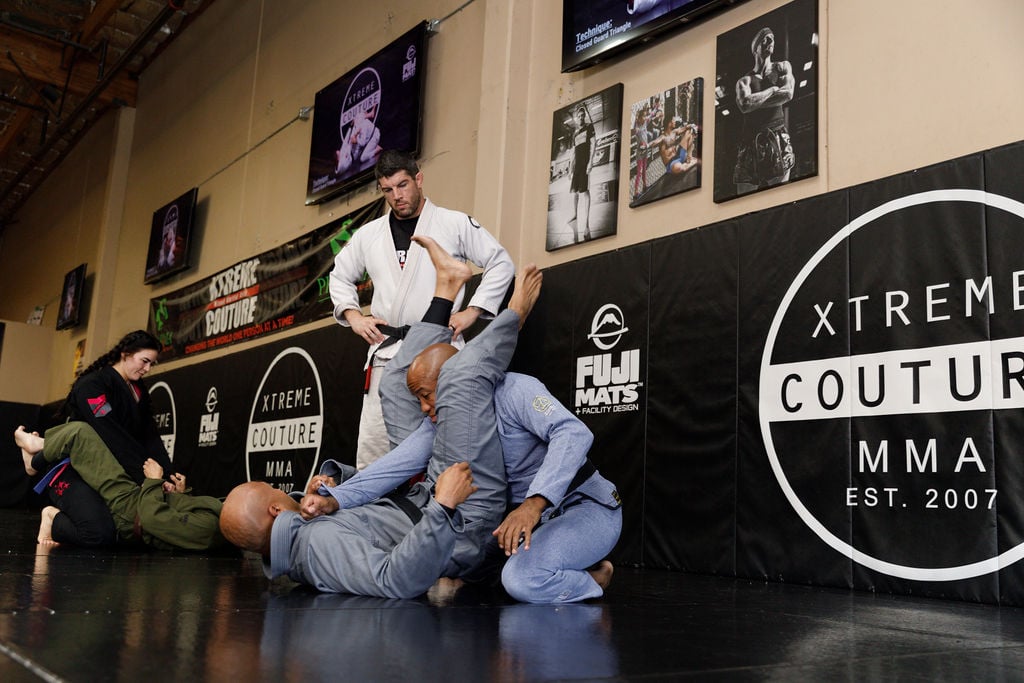
Although new students might never admit it out loud, the fear of getting injured is natural with a martial arts practice like jiu-jitsu. And the truth is, it can take just one bad experience—like getting cranked or rolling with someone who’s reckless—to deepen the fear. Even without actually getting injured, it’s not uncommon for students to let that fear stop them from showing up.
How to Fix This: Make safety a non-negotiable in your academy. Over-emphasize tapping culture, control, and respect. Set rolling rules that are specifically designed for beginners. And let people know that they should train to whatever level they feel comfortable with. For example, “You can sit out, do positional rounds or drill today—it all still counts.”
This one applies to fitness businesses everywhere, not just jiu-jitsu academies. Ultimately, clients want to feel seen and celebrated. So if their attendance starts to fade and no one reaches out, they can get the impression that being there didn’t matter much in the first place.
How to Fix This: Create attendance triggers for follow up. For example, Wodify Workflows can connect attendance drops to automated communication. If a student doesn’t come to class for a certain amount of days, they’ll receive a friendly, helpful check-in text and email that can be customized to your school’s brand voice. You’re simply letting them know, “we noticed.” And that can help to get them back in the door quickly, keeping your retention numbers in check.
So, how can you put these fixes into action immediately? Simply take a look at the following list of questions. Write down the ones that you can’t confidently answer “yes” to. Then prioritize them based on which ones will make the biggest impact to grow your jiu-jitsu school, when you implement the fixes above.
When you’re running a safe, effective and connected jiu-jitsu academy, retention is a natural—and awesome—side effect. On the other hand, people just randomly falling off in the first three to six months is usually a sign of a systems problem.
Luckily, these issues are pretty simple fixes. You want to create clarity in what students are doing, make them feel safe, and build a strong community. This combo motivates students to keep showing up, turning beginners into long-term members.
Need help? Wodify is proud to help jiu-jitsu academy owners build and run successful businesses, and we’d love to help you, too! Book a demo with our team today to find out more.
Pro Tip: There are some simple ways to level up your sales process and get more students in your academy! Download the “Mat to Member Playbook” today!
Norem ipsum dolor sit amet, consectetur adipiscing elit. Etiam eu turpis molestie, dictum est a, mattis tellus.
Already know which provider you want to select?
Click “Sign up Now” to lock in your choice and pick your start date. It’s quick and easy!
Looking for a bit more information or guidance? Click “Talk to Us” to arrange a call with us. We’ll help you find the perfect program tailored to your needs.
Norem ipsum dolor sit amet, consectetur adipiscing elit. Etiam eu turpis molestie, dictum est a, mattis tellus.
Norem ipsum dolor sit amet, consectetur adipiscing elit. Etiam eu turpis molestie, dictum est a, mattis tellus. Sed dignissim, metus nec accumsan.
Norem ipsum dolor sit amet, consectetur adipiscing elit. Etiam eu turpis molestie, dictum est a, mattis tellus. Sed dignissim, metus nec accumsan.
We’ll let you try Wodify for yourself and get a feel for what it can do for your business. A Wodify rep — a real person — will walk you through every feature.




"Wodify transformed how we run the gym. I now have more time to focus on growing my business and helping members thrive."Dana Bradley, Owner of Westside Fitness
Click “Talk to Us” to arrange a call so we can discuss the flexible access options that best fit your facility.
Click “Book a Demo” to learn more about how Wodify can help your business grow.
Your branded app is one conversation away. Click “Talk to Us” and our team will walk you through everything you need to get started.
Click “Book a Demo” to learn more about how Wodify can help your business grow.