
Try the #1 software for $1/month.
Norem ipsum dolor sit amet, consectetur adipiscing elit. Etiam eu turpis molestie, dictum est a, mattis tellus. Sed dignissim, metus nec accumsan.

Business Management

You know your gym should post more. You also have classes to coach, leads to answer, payroll to check, and a rower making that noise again.
That is why social media needs to be simple. If posting takes hours, it will not happen.
Your fitness center already creates content every day. Members hit milestones. Coaches give helpful tips. Classes create energy. Your local community shows up.
The hard part is not finding stories. The hard part is turning them into social media posts without making marketing another job.
This guide gives you repeatable content ideas you can use when your team is busy. It also shows how to turn attention into action.
A gym owner should post content that shows people, progress, coaching, and community.
That sounds simple because it is. Good social media does not need to look like a brand campaign. It needs to help potential members understand what it feels like to walk through your doors.
Your target audience is usually wondering these questions long before they book a free session:
Your content should answer those questions implicitly and explicitly through showing, not telling:
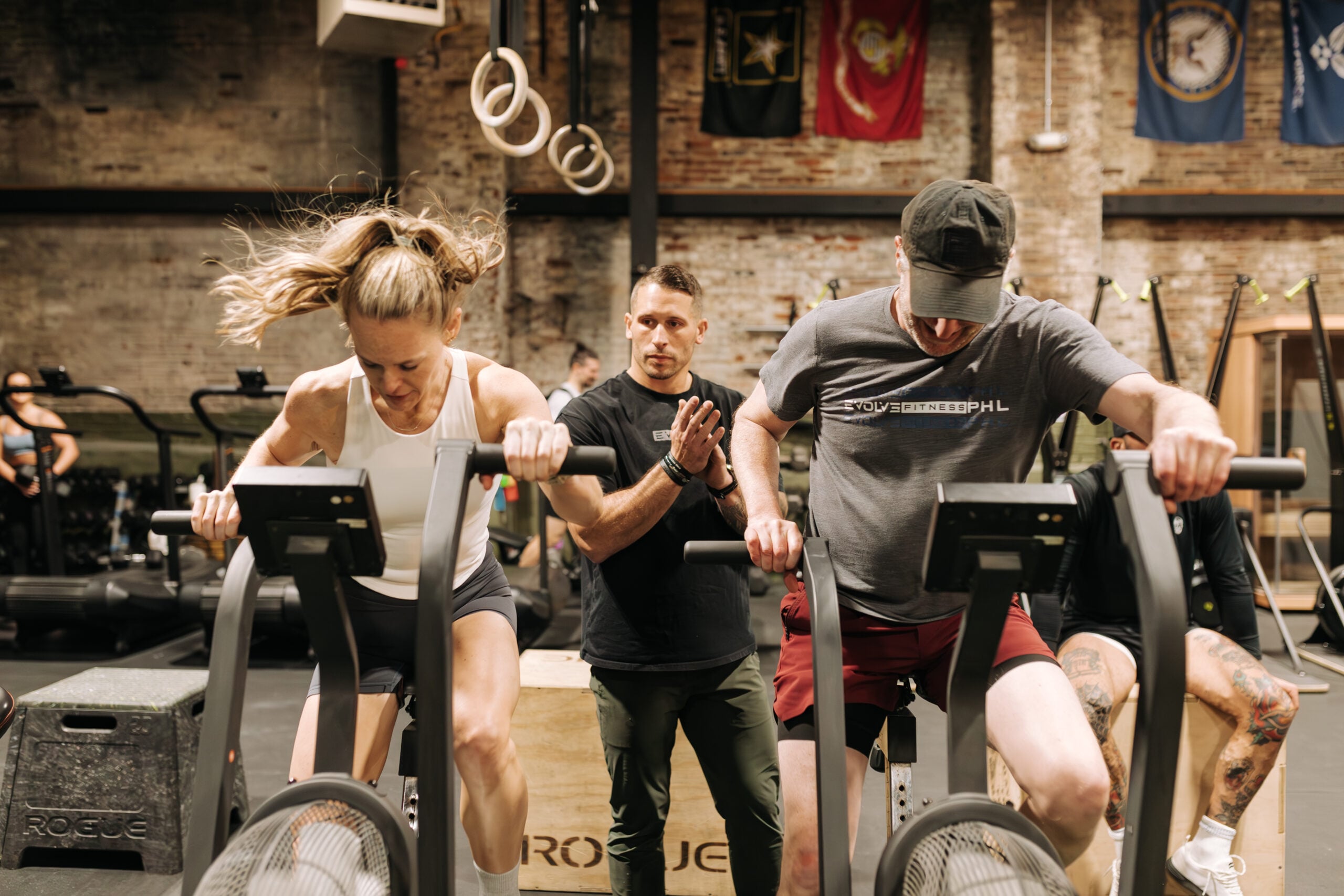
… Show your gym members doing real work.
… Show your personal trainers coaching with care.
… Show the moments that make your gym culture different.
A strong content mix includes community stories, educational tips, proof, personality, and clear offers. That balance keeps your feed from turning into a wall of promotional posts.
Here is a practical way to think about it.
| Content type | What to post | Why it works |
|---|---|---|
| Community | Birthdays, events, class moments, member shoutouts | Shows belonging and gym culture |
| Education | Workout tips, nutrition tips, tutorials, gym etiquette | Builds trust before someone buys |
| Proof | Success stories, PRs, video testimonial clips | Shows social proof |
| Personality | Coach intros, behind-the-scenes clips, staff moments | Makes your fitness brand feel human |
| Conversion | Trial offers, new class posts, challenge sign-ups | Gives people a clear next step |
Do not make every post a pitch.
People need to trust your gym before they trust your offer. That is true whether you run a CrossFit gym, a fitness studio, a personal training business, or a boutique strength space.
Being real — it also means having fun. People sense desperation from a mile away, so have a little fun, put some positivity and confidence out in the universe, and see what you get back.
Most gyms can post three to five times per week.
That is enough to stay visible without making content take over the week. Posting at consistent times helps build long-term audience engagement. A consistent posting schedule also makes the work easier for your staff.
You do not need daily gym posts if daily posting feels rushed.
Three useful social media posts will beat seven forgettable ones.
A simple content calendar helps here. Plan themes ahead, then capture real moments as they happen. Your calendar should help the team, not become another thing to manage.
The best social media platform depends on your members and market.
Instagram works well for reels, stories, member wins, and fast updates. TikTok works well for casual education, coach personality, and fitness trends. Facebook can help with groups, events, and local community updates. A YouTube channel works well for longer workout ideas, tutorials, and search-friendly fitness content.
| Platform | Best use | Strong post type |
|---|---|---|
| Visual updates and community | Reels, stories, carousels | |
| TikTok | Short education and personality | Quick tips, trends, coaching clips |
| Local reach and groups | Events, updates, member conversations | |
| YouTube | Longer education and search | Tutorials, FAQs, personal training advice |
As a best practice, don’t publish to all the channels at once, or burn yourself out trying to cover your ground on every channel.
Start with the social media platforms your members already use. Then build from there.
Posting is only half the job.
Every few posts should lead somewhere clear. That might be a trial class, lead form, DM conversation, challenge sign-up, blog post, or class schedule.
This is where many gyms lose money. Someone likes the post, watches the reel, or replies to a story. Then the follow-up gets buried.
Wodify helps connect that path. A prospect can land on your website, submit a lead form, and move into follow-up. Wodify Workflows can help your team respond when someone shows interest.
That matters when a lead comes in after class, after hours, or during a busy Saturday.
Member success stories are some of the easiest social media post ideas.
They are already happening inside your gym. Someone hits a first pull-up. Someone finishes their first month. Someone shows up for the 100th time. Someone who was nervous on day one now helps a new member feel welcome.
That is the good stuff.
These posts work because they show real progress. They also encourage members by making their effort visible.
A simple win is enough. You do not need a long caption.
Member Spotlight: [Name]
========================

Today, [Name] hit [achievement].

This took [timeframe] of steady work, coachable reps, and a lot of showing up.

Drop them some love below.

CTA: Ready for your first win? Book an intro class.
Use Wodify performance tracking to spot PRs, attendance streaks, and progress. Those moments can become engaging content without starting from scratch.
A video testimonial can be short and still work.
Ask one member a question after class. Keep it casual. Do not hand them a script.
Try questions like:
A 20-second answer can do more than a polished graphic. Real experiences enhance engagement and loyalty in fitness marketing because people trust other people.
Get permission before you post. Always.
Video Testimonial Prompt
========================

Question: What would you tell someone nervous about starting?

Member answer: [Short quote]

Caption:
[Name] said it better than we could.

Starting is usually the hardest rep.

CTA: If you have been thinking about trying class, DM START.
Sharing behind the scenes content humanizes your gym brand.
It shows the work that members do not always see. That could be coaches setting up, staff cleaning, equipment arriving, a new class being planned, or a normal front desk moment.
Behind the scenes posts work because they feel real. They show standards. They show care. They show the business behind the workout.
A prepared fitness center builds trust before someone visits.
Behind the Scenes Template
========================

Moment: [What is happening]

Caption:
Behind the scenes before [class/event].

The room is ready. The coaches are set. Now we wait for the fun part.

CTA: Come see it for yourself this week.
You can also use this format for fitness gear. Show new gym gear arriving, how to use it, or why your coaches like it.
Keep it useful. Retail content works best when it teaches something.
People join people.
Coach content helps prospects feel safer before they arrive. It also helps your personal trainers become more trusted by the audience.
A coach intro does not need to be fancy. Ask simple questions and let the coach sound like themselves.
Coach Intro Template
========================
Meet Coach [Name].

Favorite movement: [Movement]
Favorite coaching cue: [Cue]
Best advice for beginners: [Advice]
Fun fact: [Detail]

CTA: Come meet [Name] this week.
This works especially well for personal training. A personal training business grows when people trust the coach before the first session.
You can also ask personal trainers to share their own fitness journey. That gives prospects a reason to connect beyond credentials.
Short workout tips show coaching quality.
They help members improve technique and give potential members a preview of your teaching style. A good tip should cover one thing, not five.
Think squat setup, breathing, pacing, warm-ups, pull-up progressions, recovery, or proper form.
Quick Tip Template
========================

Quick tip: [One coaching point]

Why it matters:
[One sentence explaining the benefit]

Try it:
[One simple action]

CTA: Save this for your next workout.
How-to tutorials help members improve workout techniques. They also give social media users something worth saving.
If you are short on time, create videos in batches. Record six short clips in one hour. Then schedule them across the month.
Nutrition content should feel practical.
Most members do not need a lecture. They need ideas they can use after work, after class, or between errands.
Share simple nutrition tips, grocery ideas, hydration reminders, and healthy recipes. Healthy eating tips can inspire members to follow nutritious diets without making food feel complicated.
A simple post might say:
“Need a fast dinner after class? Build a plate with protein, vegetables, and one carb you enjoy.”
Keep it clear. Do not give medical advice. Do not promise results from one meal.
Fitness challenges can boost engagement and motivation.
They give members a shared goal. They also give your feed a built-in story for several weeks.
A 30-Day Plank Challenge can work well because it is simple. Step Challenges work because they give people a daily target. You can also run attendance, hydration, mobility, push-up, or partner workout challenges.
Challenges should fit different fitness levels. That matters if your gym serves beginners and experienced athletes.
Use social media to promote the challenge, show progress, and celebrate finishers.
Fitness Challenge Template
========================

Challenge: [Name of challenge]

Who it is for:
[Beginner-friendly explanation]

How it works:
[Simple rules]

Start date:
[Date]

Comment JOIN or use the link in bio to sign up.
If the challenge is for lead generation, connect it to a landing page. Wodify can help keep the lead form, schedule, and follow-up organized.
Community content helps people see the room. That matters because many potential members are not only buying workouts. They are looking for a supportive community.
Post about charity workouts, local partnerships, member meetups, run clubs, seminars, competitions, and upcoming events.
A community event also supports local visibility. Keep your Google Business Profile up to date when hours, events, or offers change.
Strong community posts are specific.
Instead of “Great event today,” celebrate the outcome:
“Saturday crew showed up for the food drive workout. Strong reps, full boxes, and a lot of sweaty high fives.”
That gives people a scene they can picture and elicits more engagement.
User generated content includes photos, videos, and reviews from members.
It can boost engagement and community feel because it does not all come from the brand. It comes from the people living the experience.
This content can include class photos, story tags, workout clips, event posts, reviews, and member success stories.
Encourage members to share their fitness journey. Then ask permission before reposting. Credit the creator every time.
User generated content helps current members feel seen. It also shows potential members that real people enjoy being there.
That builds brand loyalty without forcing it.
Class highlights help people understand what happens inside the gym.
They also reduce fear for beginners.
Show warm-ups, coach demos, partner workouts, cool downs, and class energy. If you launch a new class, show it more than once. One announcement is easy to miss.
For beginners, include gym etiquette and what to expect. That kind of relevant content can make the first visit feel less intimidating.
A good caption can be simple:
“New class starts Thursday at 6 p.m. Want to try it? Send us a DM and we’ll send the details.”
That is clear. Clear wins.
Your target audience should shape your social media posts.
Beginners need a different message than experienced fitness enthusiasts. Current members need different content than new members. Personal training prospects may need more trust-building than class prospects.
| Audience | What they need | Content to post |
|---|---|---|
| Beginners | Confidence and clarity | First-class tips, gym etiquette, coach intros |
| Existing members | Recognition and connection | PRs, challenges, events, streaks |
| Potential members | Trust and next steps | Testimonials, class previews, trial offers |
| Personal training leads | Proof and coach trust | Client wins, form tips, session clips |
| Fitness enthusiasts | Depth and variety | Workout ideas, YouTube channel tutorials, programming notes |
This is where content marketing becomes practical.
You are not posting to post. You are helping the right person take the next step.
Interactive content makes it easy for people to respond.
Try polls, quizzes, comment prompts, challenge check-ins, this-or-that questions, and form checks. These posts can encourage followers to participate without asking for too much.
Interactive content prompts:
This kind of content can boost engagement because it gives people something to do. It also gives you ideas for future posts.
Fitness is not only physical. A thoughtful mental health post can connect with members who feel stuck, nervous, or inconsistent.
Keep these posts grounded. Avoid cheesy inspirational posts that sound like locker room wallpaper.
Good topics include starting again, dealing with nerves, asking for help, rest days, and building confidence.
Example:
“You do not need to feel motivated to show up today. You just need to take the next step.”
That sounds human. That matters.
Myth-busting content is useful, simple, and repeatable.
It helps educate members on fitness misconceptions. It also gives personal trainers a clear recurring format.
Try:
“Myth: you need to be fit before joining.”
“Myth: soreness always means progress.”
“Myth: rest days are lazy.”
“Myth: lifting makes beginners bulky.”
Use your YouTube channel for longer explanations. Then cut each video into shorter clips for other social media platforms.
This makes one idea work harder.
A blog post can become several gym posts. This saves time and keeps your message consistent across social media platforms.
For example, one blog post about beginner training can become a reel, carousel, story poll, coach quote, YouTube channel short, and CTA post.
That is how you create content without starting from zero every week.
Your blog can also support search. Your social media can support attention. Together, they make your fitness content easier to find and easier to act on.
Content is great, but distribution is what counts. What gets seen, gets remembered, on the platforms your audience is paying attention to.
Limited-time offers can increase follower engagement when used well.
The key is restraint.
If every week has a discount, people learn to wait. Use offers when they support a real business goal.
Examples include a free intro session, first week free, bring-a-friend Friday, new member workshop, or challenge sign-up.
The call to action should be obvious. Do not make people hunt for the next step.
Your social media pages should match your real business. Update posts, bios, links, and highlights when you change class times, events, coaches, offers, holiday hours, or new class options.
Outdated content creates doubt.
If your website, social media pages, and Google Business Profile show different information, prospects may hesitate. That is fixable. Set a monthly reminder to check your links and pinned posts.
Social media should connect to your gym systems.
Otherwise, interest gets lost.
Wodify helps fitness businesses connect websites, lead forms, schedules, workflows, and communication. That matters when someone clicks from Instagram, fills out a form, or asks about a trial.
Your team can track leads, send reminders, and keep follow-up from living in someone’s memory.
Wodify also gives owners content inputs, like performance highlights, class activity, and member milestones. Those moments can become high quality content without staring at a blank calendar.
Here is a realistic plan for a busy gym.
| Day | Post type | Example |
|---|---|---|
| Monday | Member win | First pull-up, PR, class milestone |
| Tuesday | Coach tip | Form cue, recovery tip, beginner advice |
| Wednesday | Behind the scenes | Class setup, staff prep, new fitness gear |
| Thursday | Community | Birthday, event, member shoutout |
| Friday | Conversion | Trial class, challenge, new class CTA |
| Saturday | Referral invite | Saturday sweat day |
| Sunday | Gratitude | Gratitude + inspiration |
This plan creates variety without overthinking.
If you miss a day, do not restart the whole thing. Just post the next useful thing.
Use these templates when the team is busy.
Template 1: Member Win
=========================
Hook:
[Name] just hit [achievement].

Context:
This took [timeframe] of consistent work.

Proof:
[Photo, video, or quote]

CTA:
Drop a comment to celebrate them.
Template 2: Coach Tip
=========================
Hook:
Stop making [common mistake].

Tip:
Try [simple correction].

Why it works:
[One sentence]

CTA:
Save this for your next class.
Template 3: Trial Class CTA
=========================
Hook:
Thinking about trying class?

Context:
You do not need to be in shape first. That is what coaching is for.

Next step:
Book a free intro and we’ll help you start.

CTA:
DM START or use the link in bio.
Template 4: Behind the Scenes
=========================
Hook:
What happens before class starts?

Moment:
[Setup, cleaning, coaching prep, staff meeting]

Why it matters:
The little things make the hour run better.

CTA:
Come see it this week.
Template 5: Challenge Sign-Up
=========================
Hook:
The [challenge name] starts [date].

Who it is for:
[Simple audience note]

How it works:
[Simple rules]

CTA:
Comment JOIN and we’ll send the details.
The 3-3-3 rule for gym content means posting three content types, three times per week, across three recurring themes.
For example, you might post education, community, and proof. Then you repeat that rhythm every week. This is not a strict platform rule. It is a simple way to make social media manageable.
Gyms can boost engagement by making participation easy.
Use polls, challenges, comments, reposts, and member tags. Celebrate member milestones. Ask simple questions. Share real class moments.
Live workouts can also foster community and real-time engagement. The goal is simple. Give people a reason to respond.
A gym can use a YouTube channel if it has enough education to share. YouTube works well for movement tutorials, beginner guides, longer workout ideas, and personal training education.
Start with one useful video each month. Then cut that video into shorter clips for other social media platforms.
The biggest mistake is posting only sales content.
People want to understand your culture before they hear your offer.
Another mistake is ignoring comments and DMs. Social media is a conversation, not a billboard.
Also, do not use member content without permission. Ask first and credit the creator.
Finally, do not chase every fitness trend. Use fitness trends only when they fit your brand, members, and message.
You do not need fancy equipment to post better content.
You need a simple plan, a clear content mix, and a way to turn interest into action.
Start with what already happens inside your gym. Celebrate members. Teach small lessons. Show your coaches. Share the behind-the-scenes work.
Then give people a clear next step.
If you want your website, lead forms, schedule, and follow-up to work together, book a demo. Wodify can help turn interest into action.
Good gym content features real people, practical education, and clear proof of your coaching quality. It helps potential members understand what your gym feels like and builds trust before they join. Effective posts show members working out, coaches teaching, and moments that highlight your gym culture. This content answers common questions like “Will I fit in?” and “Do people get results?” by showing, not just telling.
A gym should aim to post three to five times per week to maintain visibility and keep the audience engaged. Posting consistently at set times helps build a loyal following and makes content creation manageable for busy teams. Quality matters more than quantity, so a few well-crafted posts each week outperform daily rushed updates. A steady rhythm also helps your social media followers know when to expect new content.
Easy social media post ideas include celebrating personal records (PRs), sharing quick coach tips, showing class setup or behind-the-scenes moments, posting member birthdays, and creating short videos. These moments happen naturally in your gym and provide authentic content that resonates with your audience. Using these simple ideas regularly keeps your feed active without adding extra work.
Fitness apps can highlight member milestones, class attendance, and performance data that turn into engaging social media posts. They surface meaningful moments like streaks, PRs, and progress that your team might otherwise miss. Sharing these insights helps motivate members and provides fresh, relevant content that keeps your audience engaged and connected to your gym.
Wodify’s gym software connects your website, lead forms, class schedules, workflows, and communication in one platform to turn social media interest into actionable leads. When someone interacts with your posts or submits a form, Wodify helps your team respond quickly and efficiently. This seamless follow-up improves conversion rates by ensuring no lead slips through the cracks, even during busy times or after hours.
Norem ipsum dolor sit amet, consectetur adipiscing elit. Etiam eu turpis molestie, dictum est a, mattis tellus.
Already know which provider you want to select?
Click “Sign up Now” to lock in your choice and pick your start date. It’s quick and easy!
Looking for a bit more information or guidance? Click “Talk to Us” to arrange a call with us. We’ll help you find the perfect program tailored to your needs.
Norem ipsum dolor sit amet, consectetur adipiscing elit. Etiam eu turpis molestie, dictum est a, mattis tellus.
Norem ipsum dolor sit amet, consectetur adipiscing elit. Etiam eu turpis molestie, dictum est a, mattis tellus. Sed dignissim, metus nec accumsan.
Norem ipsum dolor sit amet, consectetur adipiscing elit. Etiam eu turpis molestie, dictum est a, mattis tellus. Sed dignissim, metus nec accumsan.
We’ll let you try Wodify for yourself and get a feel for what it can do for your business. A Wodify rep — a real person — will walk you through every feature.




"Wodify transformed how we run the gym. I now have more time to focus on growing my business and helping members thrive."Dana Bradley, Owner of Westside Fitness
Click “Talk to Us” to arrange a call so we can discuss the flexible access options that best fit your facility.
Click “Book a Demo” to learn more about how Wodify can help your business grow.
Your branded app is one conversation away. Click “Talk to Us” and our team will walk you through everything you need to get started.
Click “Book a Demo” to learn more about how Wodify can help your business grow.