
Try the #1 software for $1/month.
Norem ipsum dolor sit amet, consectetur adipiscing elit. Etiam eu turpis molestie, dictum est a, mattis tellus. Sed dignissim, metus nec accumsan.

CrossFit
Thinking about opening a CrossFit Affiliate? That probably means two things: First, you love the methodology and have seen it work in your own life. And second, you’re passionate about helping others. At Wodify, we love to see it. And that’s why we wanted to create this CrossFit affiliate equipment list, to help you get started!
The first thing to note is that there is no strict equipment requirements provided by CrossFit. In fact, one of the best things about CrossFit is its flexibility, for everything from your programming to your culture. You get to choose how your gym operates, feels, and grows.
But along with that flexibility comes a ton of decisions to make along the way. Which is why your equipment choices are so important. They not only translates into how your space feels, but how your classes run and how you’ll be able to scale.
Today, we’ll cover the must-have CrossFit affiliate equipment, the nice-to-have stuff, how it all plays into your space, and what to expect when it comes to your equipment budget.
Before we get to the actual equipment list, it’s important to know a few of the business-related requirements when opening a CrossFit gym. Even though CrossFit is an affiliate model and not a franchise, CrossFit HQ is strict about you adhering to the following list:
Now that we’ve gotten those requirements out of the way, let’s talk about your CrossFit affiliate equipment!
When exploring location options, keep in mind that the ideal size for a CrossFit affiliate is between 2,000 to 5,000 square feet. High ceilings that can accommodate 12 to 14-foot rope climbs are also ideal.
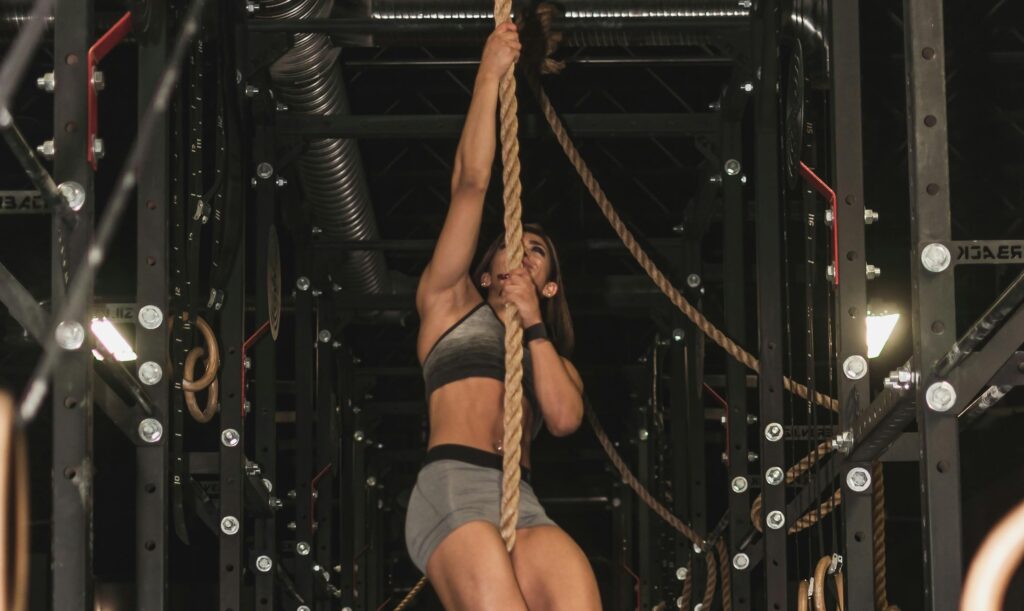
Your budget will determine how “premium” you can go, but traditionally, industrial space is preferred for CrossFit affiliates. Look for options with good ventilation, plenty of parking spaces, and (of course) bathrooms!
Some affiliate owners choose to set up their space in zones:
Others will go with a more use-focused approach. This simply means making the most used equipment the most accessible from the gym floor. For example, barbells are used quite frequently in class, while plyo boxes might be used once per week on average. Therefore, barbells and bumper plates would be stored closer, for athletes to access consistently.
Pro tip: Measure everything and plan your equipment layout before purchasing a space or signing a lease. The last thing you want is to move in and find out you can’t operate classes properly.
Let’s take a look at the primary list of CrossFit affiliate equipment that you’ll need starting on day one.
Your pull-up rigs and squat racks will be the centerpiece of your gym. Here’s what to know:
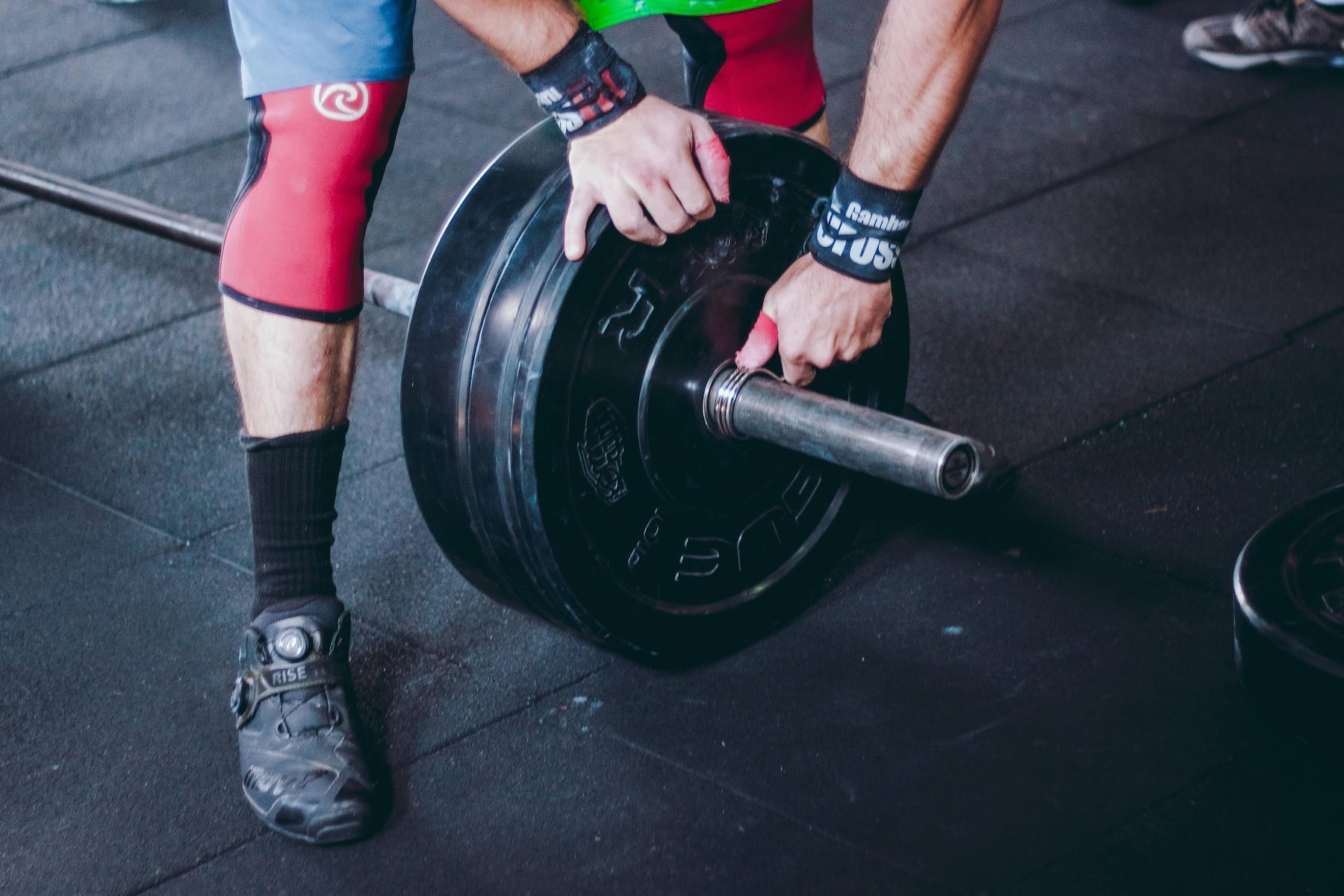
Because barbells and bumper plates are utilized often in your classes, this is not the CrossFit affiliate equipment to cut corners with. Here are some other things to know:
Flooring is not only one of the most-overlooked CrossFit affiliate equipment needs, it’s also one of the most costly items on your list. But you’ll find that you get what you pay for, and it’s there to protect both your members and your subfloor. Here’s what you need to know:
Even though kettlebells and dumbbells can be costly “per pound,” you’ll find that the cost-per-use makes them valuable. Both are used quite often in CrossFit WODs for movements like swings, goblet squats, Turkish get-ups, etc. Here’s what you need to know:
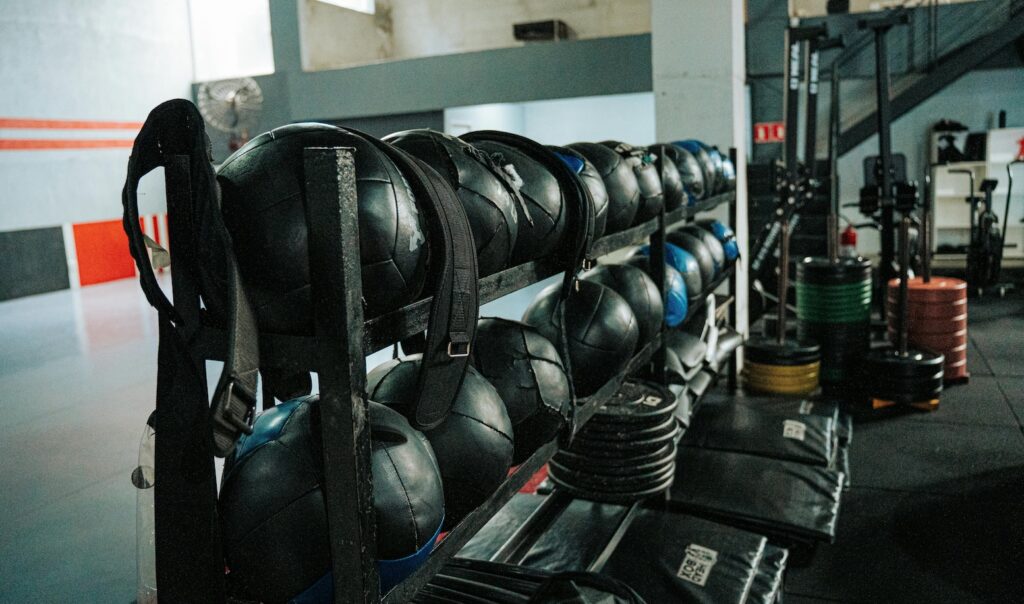
Wall balls are a classic CrossFit movement, and slam balls add variety to programming. Both are great for individual and partner workouts. Here’s what you should know:
Jumping rope—single-unders, double-unders, and crossovers—is another CrossFit staple movement. You’ll likely find that most members want to purchase their own rope, but here’s what you should know for stocking extras in your affiliate:
Even though you might hear a collective groan from your classes when you mention cardio, endurance machines are still on the list of essential CrossFit affiliate equipment.
Depending on the size of your initial community when you open your doors, most affiliate owners can start with approximately 4-6 rowers and 3-4 bikes. Then scale as membership grows. Here is the most common list of endurance equipment:
While storage might not seem like equipment, it can actually make or break your floor plan. If you’ve ever been in an affiliate that stores all of its equipment on the ground, you’ve seen how much floor space it can take up. Storage matters not only for members’ safety, but for how your classes flow, and even how professional your gym looks. Here are a few storage items to consider:
Now let’s take a quick look at some smart upgrades to make over time with your CrossFit affiliate equipment. You don’t necessarily need these items immediately when you open your door, so add them to your purchase list as your community grows and you increase gym revenue:
Just remember, many successful CrossFit affiliates start with only the basics. Scaling your equipment purchases in correlation to your community and revenue is the long-term gym growth play.
As you look at space and equipment options, we recommend a phased buying approach for your CrossFit affiliate equipment. In other words, launch with the essentials, then reinvest your revenue over time to upgrade as your gym grows.
Overall, you can expect to spend between $20,000 to $50,000 for a solid opening setup. Seasoned affiliate owners will confirm that the equipment to “splurge” on are rigs, barbells, bumper plates, and flooring. You’ll quickly find out that replacements for “skimping” in this area are not worth the hassle.
On the other hand, you can look for ways to save on accessories, and smaller equipment like dumbbells and kettlebells. You can also look for deals on gently-used conditioning machines like Concept 2 rowers or bikes.
Speaking of saving, be sure to check out the package deals on Rogue Fitness, an official CrossFit partner. Plus, when you sign up as an affiliate, you’ll get access to the Affiliate Partner Network, which provides discounts on both CrossFit affiliate equipment and supplies.
Opening a CrossFit affiliate is no small task, so take it one step at a time. Remember, when it comes to CrossFit affiliate equipment, you don’t need everything on day one. You can start with the must-have equipment, then add more as your community grows.
Learn from the pros and steal the equipment playbook from affiliates who’ve been in the game for years. Keep in mind that the best CrossFit gyms in the world weren’t built overnight. They were built rep by rep, member by member. And the lean list of equipment you start with will grow in tandem with the awesome community of members for years to come.
One more thing: You can’t be the best CrossFit affiliate in town without having the best gym management software for CrossFit affiliates. We’re here to help! Book a demo with the Wodify team today so we can help you get started, save time, manage operations and set yourself up for long-term growth.
Norem ipsum dolor sit amet, consectetur adipiscing elit. Etiam eu turpis molestie, dictum est a, mattis tellus.
Already know which provider you want to select?
Click “Sign up Now” to lock in your choice and pick your start date. It’s quick and easy!
Looking for a bit more information or guidance? Click “Talk to Us” to arrange a call with us. We’ll help you find the perfect program tailored to your needs.
Norem ipsum dolor sit amet, consectetur adipiscing elit. Etiam eu turpis molestie, dictum est a, mattis tellus.
Norem ipsum dolor sit amet, consectetur adipiscing elit. Etiam eu turpis molestie, dictum est a, mattis tellus. Sed dignissim, metus nec accumsan.
Norem ipsum dolor sit amet, consectetur adipiscing elit. Etiam eu turpis molestie, dictum est a, mattis tellus. Sed dignissim, metus nec accumsan.
We’ll let you try Wodify for yourself and get a feel for what it can do for your business. A Wodify rep — a real person — will walk you through every feature.



"Wodify transformed how we run the gym. I now have more time to focus on growing my business and helping members thrive."Dana Bradley, Owner of Westside Fitness
Click “Talk to Us” to arrange a call so we can discuss the flexible access options that best fit your facility.
Click “Book a Demo” to learn more about how Wodify can help your business grow.