



Try the #1 software for $1/month.
Norem ipsum dolor sit amet, consectetur adipiscing elit. Etiam eu turpis molestie, dictum est a, mattis tellus. Sed dignissim, metus nec accumsan.

Gym Management
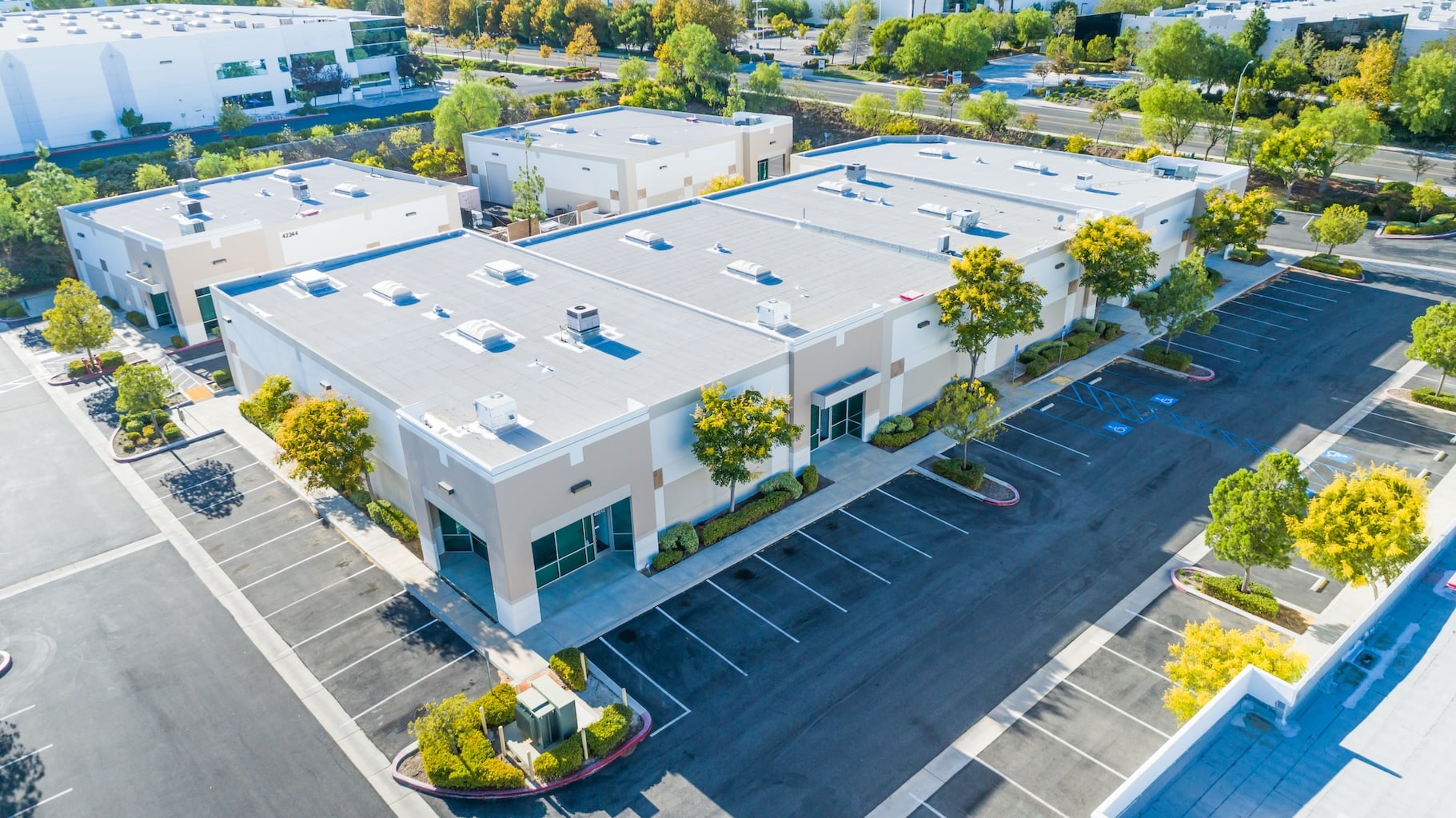
Renewing or relocating isn’t a real estate decision.
It’s a business decision disguised as one.
Your members chose your gym twice.
Once for the product.
Once for the location.
When you move, you’re asking every single one of them to make that second decision again.
And unlike you, they didn’t sign a lease.
They can just cancel.
No?
Are you sure?
Did you actually speak with the landlord?
A surprising number of “we have to move” situations start with an assumption rather than a conversation.
If it truly is not an option, then you’re relocating. No debate.
If it is an option, then step one is simple:
Get the renewal terms.
Once the landlord puts a renewal rate in front of you, the real question becomes:
Is this rent in line with the market?
Not what you started at.
Not what you wish it was.
What the market says today.
If the rate is comparable to other nearby options, staying becomes a very real contender.
If it’s well above fair market value, then you need to start seriously exploring relocation.
Before committing, do one thing that most people skip.
Start paying the new rent now.
If rent is going from $7,000 to $8,500 in six months…
Start allocating $8,500 today.
Let that extra $1,500 sit in reserves.
You need to feel what that number does to the business.
How it impacts:
Cash flow
Staffing decisions
Marketing spend
Equipment upgrades
Try on the new expense before committing to it.

Run the full math first.
Not just rent.
Everything.
New flooring
Equipment upgrades or replacements
Labor to move existing equipment
Trucks and logistics
Signage
Leasehold improvements
Downtime during transition
Then amortize those costs across your expected lease term.
That’s where things get interesting.
Because sometimes a “cheaper” new space becomes more expensive once you factor in the move.
And sometimes a higher renewal rate is still the smarter financial decision.
Whether you stay or go:
Try to keep rent below 25% of your top-line revenue.
Not because it’s a perfect rule.
But because once you consistently exceed that threshold, everything else in the business starts getting squeezed.
| Monthly Revenue | Target Rent (25%) |
| $20,000 | $5,000 |
| $25,000 | $6,250 |
| $30,000 | $7,500 |
| $35,000 | $8,750 |
| $40,000 | $10,000 |
| $45,000 | $11,250 |
| $50,000 | $12,500 |
If you’re well above these numbers, the space will create a chokepoint on your OpEx.
Once the decision is made, the process becomes very real.
There’s a right way to do it.
And then there’s the hard way.
Before looking at a single building, figure out where your members actually come from.
Pull your current and past client addresses.
Map them.
This becomes your trade area.
It tells you:
How far people are willing to travel.
Where the highest concentration of members live.
From there, you’re not guessing anymore.
You’re making decisions based on behavior.
Quick note on mapping:
You can do this for free, though it’s time-consuming, using Google My Maps.
Or use a tool like Maptive if you want something more efficient.
This stage of due diligence is worth the cost.
Or hire us, and we’ll do it for you.
Convenience matters more than people admit.
For most concepts, 10 minutes or less is the sweet spot.
Push beyond that, and friction increases.
And friction leads to cancellations.
You can start with sites like LoopNet.
It’s the most accessible platform.
It’s also incomplete.
Non-broker users typically see a fraction of what’s actually available.
This is usually the point where people realize this process is more involved than expected.
If you want access to the full market, this is when it makes sense to book a Discovery Call and have us handle the search, negotiation, and end-to-end process.
Do not anchor to your current rent.
That number was set years ago.
The market has moved.
Ideally, your pricing has too.
If it hasn’t, that’s a separate issue that needs to be addressed.
But expecting old rent in a new market rarely works.
Once you find a space:
Walk it once.
Then walk it again with a contractor.
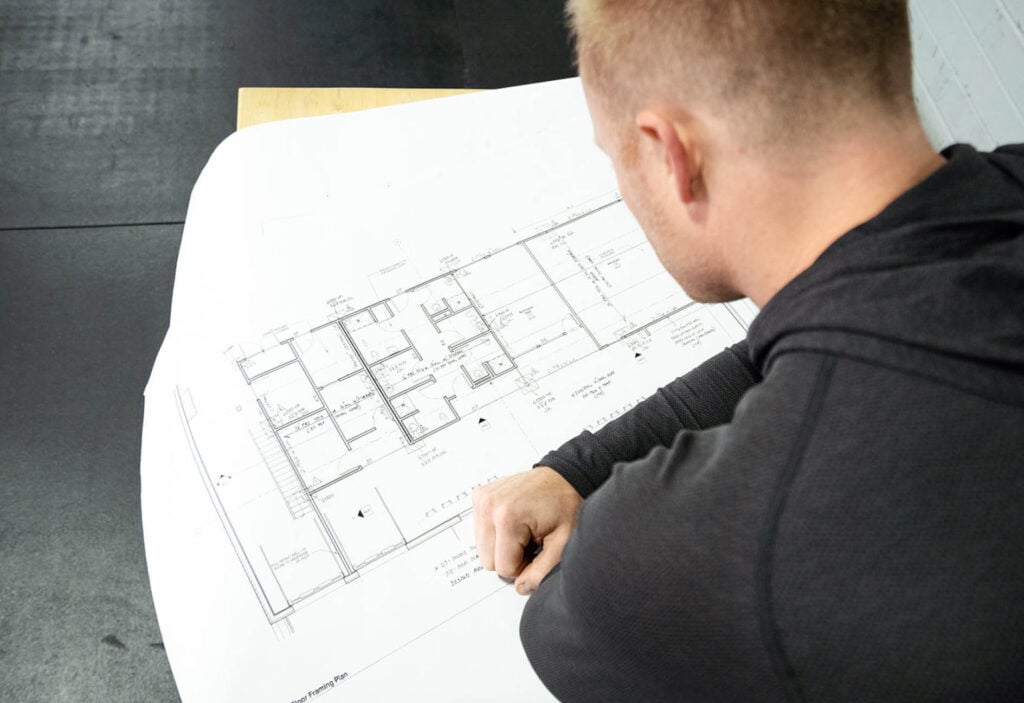
Confirm:
Zoning allows your use
Parking works for your model
Ceiling height fits your programming
HVAC can handle your capacity
This is where deals are either validated or quietly fall apart.
Once the site checks out:
Negotiate the LOI
Finalize deal terms
Have the landlord draft the lease
Review and negotiate the lease
Then you’re off and running.
Renewing feels like the safe move.
Relocating feels like the growth move.
But neither one is automatically right.
The real question is simple:
Does your current space still support where the business is going?
If it does, optimize it.
If it doesn’t, replace it.
Everything else is just logistics.
We help gym owners lease and buy buildings at no cost to you. If you’re looking to lease or purchase a building within the next 12 months, we’d love to learn more about your project. Book a discovery call at www.gymrealestate.co.
Norem ipsum dolor sit amet, consectetur adipiscing elit. Etiam eu turpis molestie, dictum est a, mattis tellus.
Already know which provider you want to select?
Click “Sign up Now” to lock in your choice and pick your start date. It’s quick and easy!
Looking for a bit more information or guidance? Click “Talk to Us” to arrange a call with us. We’ll help you find the perfect program tailored to your needs.
Norem ipsum dolor sit amet, consectetur adipiscing elit. Etiam eu turpis molestie, dictum est a, mattis tellus.
Norem ipsum dolor sit amet, consectetur adipiscing elit. Etiam eu turpis molestie, dictum est a, mattis tellus. Sed dignissim, metus nec accumsan.
Norem ipsum dolor sit amet, consectetur adipiscing elit. Etiam eu turpis molestie, dictum est a, mattis tellus. Sed dignissim, metus nec accumsan.
We’ll let you try Wodify for yourself and get a feel for what it can do for your business. A Wodify rep — a real person — will walk you through every feature.




"Wodify transformed how we run the gym. I now have more time to focus on growing my business and helping members thrive."Dana Bradley, Owner of Westside Fitness
Click “Talk to Us” to arrange a call so we can discuss the flexible access options that best fit your facility.
Click “Book a Demo” to learn more about how Wodify can help your business grow.
Your branded app is one conversation away. Click “Talk to Us” and our team will walk you through everything you need to get started.
Click “Book a Demo” to learn more about how Wodify can help your business grow.