



Try the #1 software for $1/month.
Norem ipsum dolor sit amet, consectetur adipiscing elit. Etiam eu turpis molestie, dictum est a, mattis tellus. Sed dignissim, metus nec accumsan.

Wellness Trends
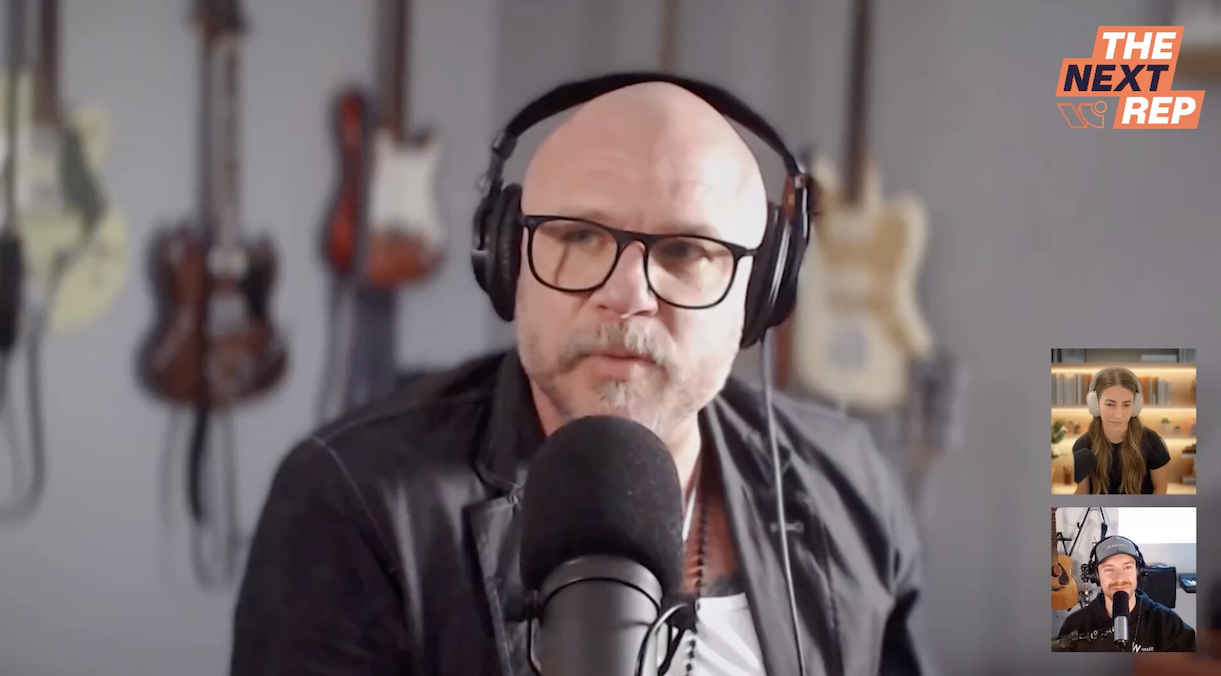
In the modern fitness landscape, gym owners are facing a dual crisis: a health epidemic and extreme loneliness. While high-intensity workouts provide the sweat, nutrition coaching is just as important—if not more—to combat these issues while helping clients see better results.
Oftentimes, clients miss the underlying driver of long-term transformation—the human nervous system. In this episode of The Next Rep podcast, hosts Cory Matchulat and Reganne Day sit down with Jeb Stuart Johnston, a coach and mentor who has navigated everything from celebrity hairdressing to high-level nutrition coaching.
Johnston shares why the fitness industry’s obsession with “the next fad diet” is keeping clients stuck, and how gym owners can use nervous system regulation to build a more resilient, profitable fitness business.
For years, the gold standard in nutrition coaching has been rigid macros tracking. However, Johnston points out that most clients’ deficiency isn’t in information—it’s in execution.
When a client fails to stick to their plan, it’s rarely because they don’t understand what a protein is. It’s usually because their physiology has hijacked their ability to make the right decisions.
One of the most profound takeaways from the episode is the concept of “State Before Story.” According to Polyvagal Theory, our nervous system state dictates the “story” we tell ourselves about our lives and our food.
| Nervous System State | The “Animal” Analogy | Impact on Nutrition & Behavior |
| Regulated | The Pack of Wolves | Calm, playful, and able to make logical food choices. |
| Mobilized | The Bear | Agitated and “productive,” but often prone to burnout. |
| Anxious | The Deer | High alert; seeking quick comfort or “dopamine hits” from food. |
| Shutdown | The Possum | Overwhelmed; playing dead or hiding in a shell; “giving up” on goals. |
As Johnston explained, “Your physiology made that choice for you… your body doesn’t understand that you’re not actually going to die right now. It thinks this is the end of the world, and that cupcake is a way to feel better.”
Wodify’s data shows that growth-minded gyms—those generating more than $20k in monthly revenue—succeed by professionalizing their services beyond just group classes. Adding a “state-based” nutrition coaching program is a high-value lever for both revenue and retention.
Is the fitness industry “cooked”? Johnston argues that while the old model of “three-month quick fixes” might be, the future belongs to gyms that prioritize relationships and connection. By helping clients regulate their states before they try to change their stories, you aren’t just selling a gym membership—you’re selling a better life.
Ready to professionalize your gym’s nutrition and retention strategy? Try Wodify free for 7 days or book a demo to see how our community tools can help you scale.
Norem ipsum dolor sit amet, consectetur adipiscing elit. Etiam eu turpis molestie, dictum est a, mattis tellus.
Already know which provider you want to select?
Click “Sign up Now” to lock in your choice and pick your start date. It’s quick and easy!
Looking for a bit more information or guidance? Click “Talk to Us” to arrange a call with us. We’ll help you find the perfect program tailored to your needs.
Norem ipsum dolor sit amet, consectetur adipiscing elit. Etiam eu turpis molestie, dictum est a, mattis tellus.
Norem ipsum dolor sit amet, consectetur adipiscing elit. Etiam eu turpis molestie, dictum est a, mattis tellus. Sed dignissim, metus nec accumsan.
Norem ipsum dolor sit amet, consectetur adipiscing elit. Etiam eu turpis molestie, dictum est a, mattis tellus. Sed dignissim, metus nec accumsan.
We’ll let you try Wodify for yourself and get a feel for what it can do for your business. A Wodify rep — a real person — will walk you through every feature.




"Wodify transformed how we run the gym. I now have more time to focus on growing my business and helping members thrive."Dana Bradley, Owner of Westside Fitness
Click “Talk to Us” to arrange a call so we can discuss the flexible access options that best fit your facility.
Click “Book a Demo” to learn more about how Wodify can help your business grow.
Your branded app is one conversation away. Click “Talk to Us” and our team will walk you through everything you need to get started.
Click “Book a Demo” to learn more about how Wodify can help your business grow.